RismadarVoice Reporters
September 15, 2026
Testosterone prescriptions for women in the United States have surged in recent years, but patients seeking the hormone to manage menopause-related symptoms are increasingly encountering prescription delays, pharmacy denials and higher costs, according to a Reuters investigation.
An analysis conducted for Reuters by healthcare analytics firm Truveta found that the rate of women receiving testosterone prescriptions increased by 146 per cent between January 2023 and July 2026, reflecting growing interest in testosterone therapy as part of menopause care.
However, the rise has exposed a major regulatory and practical gap: there is currently no testosterone product specifically approved by the US Food and Drug Administration for women.

Testosterone is being prescribed off-label, with the strongest medical evidence and professional guidance supporting its use for postmenopausal women experiencing hypoactive sexual desire disorder, a condition involving persistently low sexual desire that causes personal distress.
Doctors and patients have also increasingly turned to testosterone for other menopause-related complaints, including fatigue, reduced muscle strength, mood and general wellbeing. Medical organisations, however, say there is insufficient evidence to support testosterone as a treatment for most of those conditions.
Dr Stephanie Faubion, director of Mayo Clinic’s Centre for Women’s Health and medical director of The Menopause Society, said evidence does not establish that testosterone improves muscle mass, bone density, mood, wellbeing or other commonly promoted outcomes in women.
The Menopause Society and several other medical organisations currently support testosterone therapy for the specific sexual health condition for which evidence of benefit exists, rather than its broader promotion for general menopause symptoms.
The growing demand for testosterone comes as more American women seek hormone-based treatments for menopause, a trend that has also been influenced by increased public discussion and social media coverage.
The FDA’s recent support for estrogen and progesterone therapies for certain menopause symptoms has also contributed to renewed attention on hormone treatment. Some clinicians prescribe testosterone alongside those therapies.
The FDA is scheduled to hold a public workshop on Thursday to examine evidence surrounding testosterone use in menopausal women. The issue has received political attention, including support from US Health Secretary Robert F. Kennedy Jr. and Defence Secretary Pete Hegseth.

The FDA has cautioned, however, that off-label uses of testosterone in women have not been evaluated by the agency for safety, effectiveness or appropriate dosing.
PHARMACY CHALLENGES
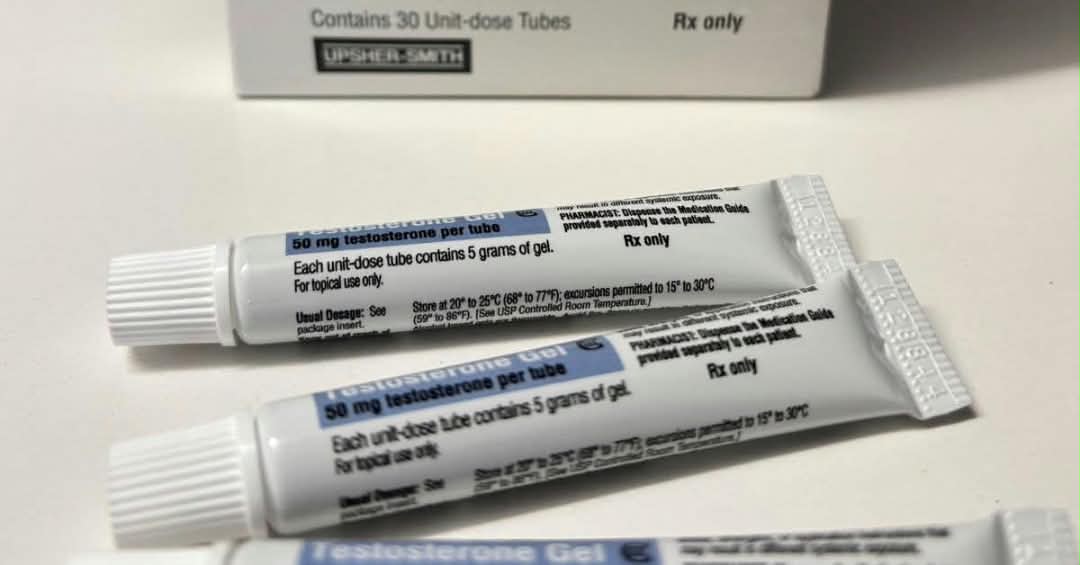
Because no testosterone product is specifically approved for women in the United States, many patients are prescribed products manufactured and packaged for men.
Those products often contain doses that are higher than what women are prescribed, requiring clinicians and patients to find ways of administering smaller quantities.
That practice has increasingly resulted in problems at pharmacies.
Jennifer Lanoff, a women’s health nurse practitioner in Washington, D.C., told Reuters that Amazon Pharmacy rejected prescriptions from her practice this year after previously dispensing them without difficulty.
Amazon Pharmacy said it does not dispense some testosterone prescriptions requiring patients to customise doses because of concerns about safe and compliant dispensing. The company said the policy was not based on a patient’s sex or gender identity and applies to certain prescriptions requiring dose modification.
The company said patients could instead be referred to compounding pharmacies, which prepare medications in specialised formulations and doses.
Compounded testosterone can be significantly more expensive than commercially available products, adding another barrier for patients seeking treatment.
Insurance coverage is also limited, with doctors, nurses and patients reporting that most insurance companies do not cover testosterone prescribed for women.
Magen Price, a nurse practitioner and founder of Mystic Valley Sexual Wellness, told Reuters that more than one-third of the 80 patients in her practice currently using testosterone had experienced prescription-related problems, including at CVS and Walgreens.

Some pharmacies have continued to dispense the medication. CVS said its pharmacies regularly fill prescriptions for topical testosterone gel for women.
Pharmacist Kevin Schipper, director of product lifecycle management at consulting firm ProPharma, said pharmacies could reject prescriptions because of concerns about dosing accuracy, medication safety, storage, stability and contamination when single-use packaging is opened and reused.
Testosterone is also a controlled substance in the United States, creating additional record-keeping and regulatory requirements at the state level.
DEMAND OUTPACING APPROVED PRODUCTS
For patients such as 55-year-old Massachusetts graphic designer Amy Swan, obtaining the medication has involved significant delays.
Swan told Reuters that when she attempted to fill her first testosterone gel prescription in March, she spent weeks trying to get a pharmacy to honour a discount coupon that would reduce her costs.
She said the process consumed hours of her time simply to obtain the prescription.
Meanwhile, pharmaceutical researchers are examining whether testosterone products specifically designed for women could provide safer and more practical alternatives.
More than 30 clinical trials examining testosterone for various health conditions in women are currently underway or planned, according to ClinicalTrials.gov.
Some companies are also developing new formulations intended to address specific risks associated with testosterone therapy.
Cynthia Stuenkel, a clinical professor of medicine at the University of California, San Diego, said a testosterone product specifically designed and dosed for women could make it easier for doctors to prescribe the hormone and for patients to use it appropriately.

The growing number of prescriptions has therefore intensified pressure for clearer evidence, appropriate dosing standards and regulatory guidance.
As the FDA prepares to review the available evidence, the central debate is increasingly focused on whether testosterone should remain largely an off-label treatment for a narrow menopause-related condition or whether further research could support specifically approved products for women and potentially broader uses.
For now, clinicians and patients face a growing mismatch between rising demand for testosterone therapy and the limited number of products specifically developed, approved and dosed for women.