

RismadarVoice Reporters
September 9, 2026
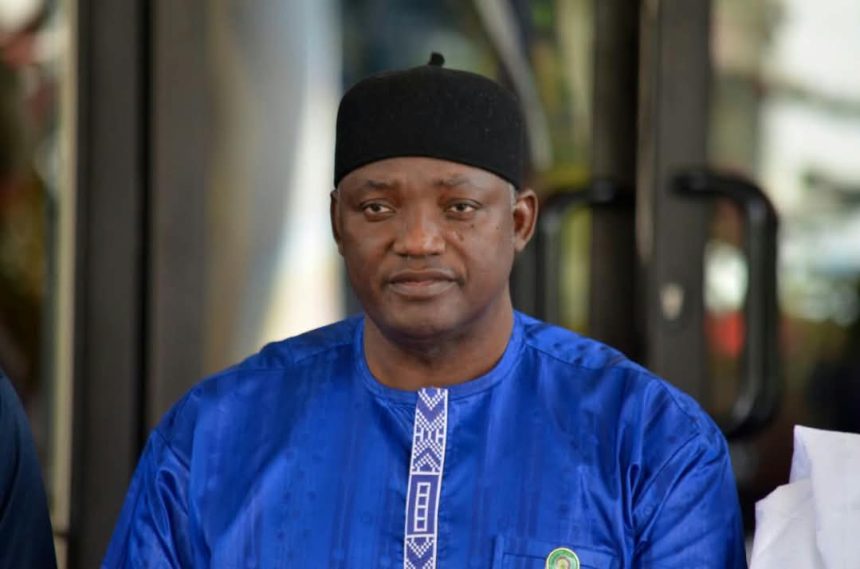
Gambian President Adama Barrow has pledged to improve electricity supply in the country within weeks as protests over prolonged power outages escalate in the capital, Banjul, and other parts of the country.
The president said the government would boost energy generation by next month in an effort to address the worsening electricity crisis, which has triggered public anger and demands for his resignation.
Protesters took to the streets on Monday and Tuesday, burning tyres and blocking roads in several locations, including areas near the presidential residence and the headquarters of the National Water and Electricity Company (NAWEC), the country’s electricity provider.
Security forces deployed tear gas to disperse demonstrators as tensions rose over frequent blackouts that have left some communities without power for up to 48 hours.
Speaking during a visit to a NAWEC power station, Barrow described the electricity shortage as an emergency and a national security concern. He announced plans to install a 24-megawatt power generation facility by the end of October.


“I know that the fans have stopped turning, children work in the dark, mothers throw away stale food, and the heat is unbearable by day and by night,” Barrow said in a national address.
The president also announced plans for an additional 50-megawatt solar power project, which he said would begin construction soon as part of efforts to expand the country’s energy capacity.
NAWEC Managing Director Gallo attributed the prolonged outages partly to climate change and increased demand caused by high temperatures. The company had earlier cited an unexpected rise in electricity consumption as one of the factors worsening the crisis.
The power shortages come months before Gambia’s presidential election scheduled for December, where Barrow is seeking a third term in office.
The government’s response to the electricity crisis is being closely watched as public frustration grows over the impact of the outages on households, businesses and essential services.