RismadarVoice Reporters
September 6, 2026
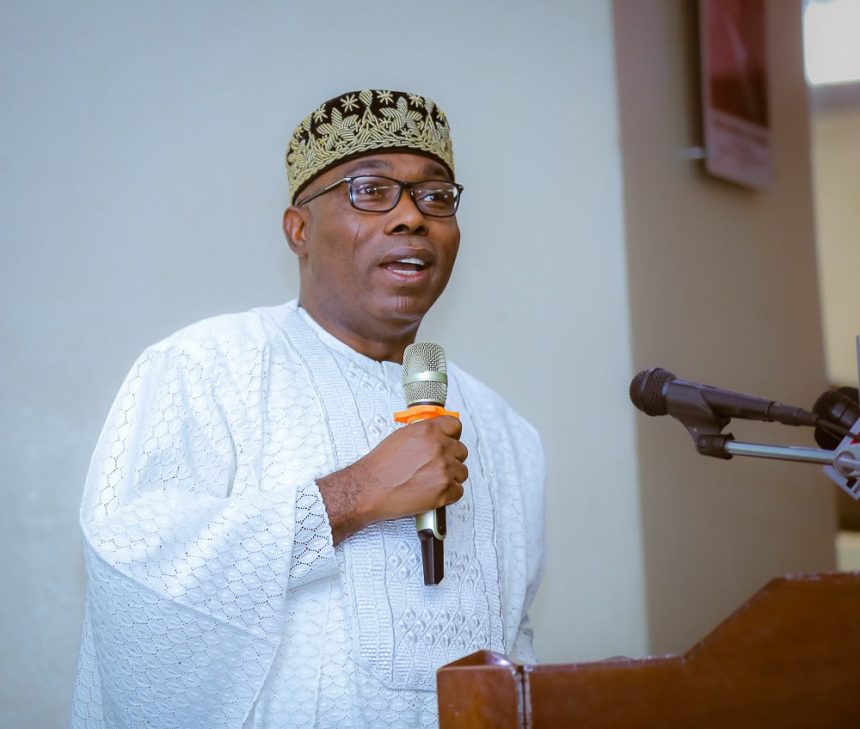
The presidential candidate of the Social Democratic Party (SDP), Adewole Adebayo, has pledged to reduce the prices of petrol, cooking gas and aviation fuel to a maximum of ₦200 per litre if elected president in 2027.
Mr Adebayo made the promise on Sunday during an interview with the News Agency of Nigeria (NAN) Personality Interview Series in Abuja.
He said his administration would pursue the target within 12 months by rehabilitating Nigeria’s existing refineries and creating an environment conducive to modular refineries to operate effectively.

According to him, the age of Nigeria’s refineries should not be an obstacle to their rehabilitation, noting that some refineries in the United States have operated for more than a century.
He argued that restoring the country’s refining capacity would reduce dependence on imported petroleum products and make locally refined fuel more affordable.
Adebayo proposes new subsidy framework
The SDP candidate also proposed a return to what he described as the original subsidy arrangement, under which 450,000 barrels of crude oil were allocated for domestic consumption.
He said petroleum derivatives such as naphtha, heavy fuel oil, diesel and kerosene could be sold, with the proceeds channelled towards maintaining the proposed domestic price regime.
Mr Adebayo said the controversy surrounding fuel subsidy had distracted attention from what he described as the more fundamental challenge of inadequate refining capacity.

He maintained that Nigeria should focus on refining its crude domestically rather than importing refined products at international market prices.
“SDP will pick cooking gas, petrol and Jet A1; those three, we will put them under a regime where the price does not go past N200,” he said.
He said an SDP government would work with the National Assembly to establish a mechanism through which revenue generated from other petroleum products could support the proposed pricing system.
Mr Adebayo also rejected the argument that removing fuel subsidy would, by itself, solve Nigeria’s fiscal problems.
He described subsidy as an issue that should not be allowed to overshadow the need for broader reforms in the petroleum sector.
The presidential candidate linked his proposed reduction in petroleum prices to a broader transportation policy aimed at expanding public transport and rail services.
He said the policy would reduce Nigerians’ dependence on private vehicles and lower transportation costs.
Under his proposed arrangement, workers and students would access public transportation using employment and student identification cards, while employers would contribute six per cent of workers’ salaries towards transportation.


He said cheaper petroleum products, combined with improved public transportation, would stimulate economic activity and ease the financial burden on households.
Mr Adebayo further pledged to ensure that housing costs do not exceed seven per cent of workers’ salaries.
He also promised free education and healthcare under an SDP administration.
“The summary of it is that transportation costs cannot go more than six per cent of your salary and housing costs should not be more than seven per cent of your salary; education and healthcare should be free,” he said. He added that his administration would give priority to agriculture and food security as part of efforts to reduce the cost of food and make necessities more affordable for Nigerians.