RismadarVoice Reporters, August 30, 2026
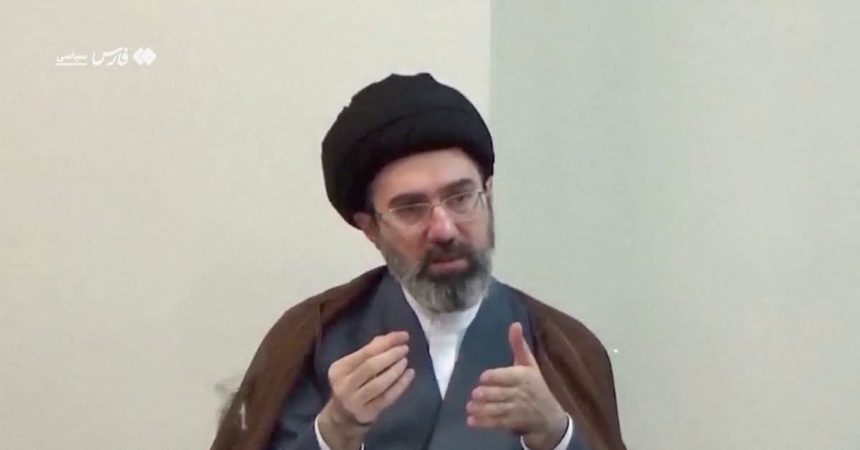
Iran’s Supreme Leader, Mojtaba Khamenei, has called on Muslim countries, particularly Gulf nations, to unite and confront what he described as their “real enemy,” warning that divisions among Muslims could benefit their adversaries.
Khamenei made the call in a written message published on his Telegram account to mark Islamic Unity Week, an annual event commemorating the birth anniversary of Prophet Muhammad.

In the message, the Iranian leader urged Muslim nations to strengthen cooperation in different areas, including mutual defence, and said those who create divisions among Muslims, either knowingly or unknowingly, support the interests of Islam’s enemies.
He questioned whether Palestinians would have faced their current challenges if Muslim nations had remained united.
Khamenei also appealed directly to Gulf Arab leaders, asking whether unidentified forces seeking influence over their territories and resources would have acted if Gulf governments and populations were united under what he described as the banner of Islam.
The statement comes amid continued tensions between Iran and several Gulf states, which have historically viewed Tehran’s revolutionary ideology and regional influence as a threat to their political systems.
Iran has also been involved in heightened regional tensions during the ongoing conflict, including strikes targeting United States military facilities and other infrastructure in Gulf countries.

“My emphatic and repeated recommendation to the rulers of Islamic countries, especially the countries of West Asia and the Gulf, is to identify your real enemy, understand his plan and confront it,” Khamenei said in the message.
The Supreme Leader has not appeared publicly since sustaining injuries in US-Israeli airstrikes six months ago, which began the current Iran war and resulted in the death of his father and former Supreme Leader, Ayatollah Ali Khamenei.
His latest call for unity follows an earlier message to Iranians in which he urged authorities to protect social cohesion and avoid statements that could weaken public morale.