RismadarVoice Reporters
August 28, 2026
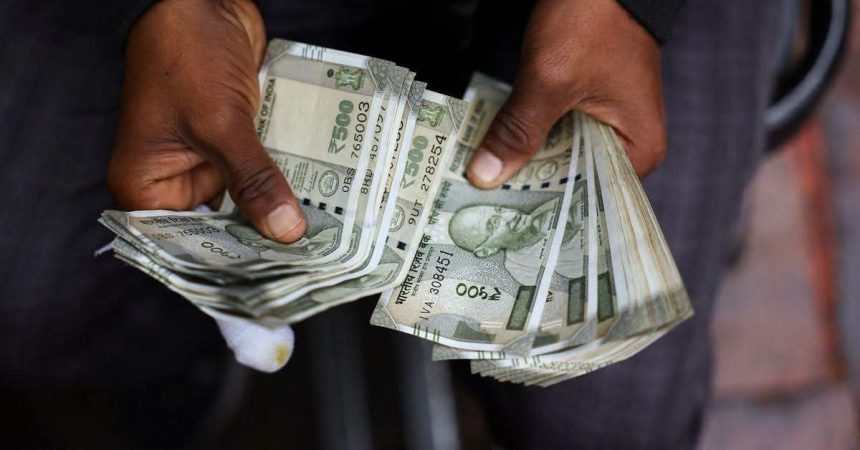
India’s rupee strengthened on Friday, ending the week higher as increased dollar liquidity ahead of the closure of a special deposit window supported the currency.
The rupee closed at 95.3775 per dollar, up 0.2% from Thursday’s 95.54 and 0.3% higher over the week, according to Reuters.
The currency initially weakened during Friday’s session amid month-end demand for dollars from importers but reversed course in the afternoon as dollar inflows linked to deposits triggered stop-loss activity and the unwinding of positions that had bet on further rupee weakness.

The Reserve Bank of India’s discounted non-resident dollar deposit scheme is scheduled to end on Monday. Bankers said the central bank’s decision to provide lenders with greater flexibility in accessing its swap facility could help prevent excess dollar liquidity from remaining in the banking system for an extended period.
Additional support came from flows ahead of the MSCI equity index rebalancing scheduled for August 31, with state-run banks also offering dollars, traders said.
Across Asia, currencies traded mixed while the US dollar remained largely unchanged ahead of Federal Reserve Chair Kevin Warsh’s speech at Jackson Hole.
Investors are looking for indications of Warsh’s position on persistent inflation and the Federal Reserve’s approach to monetary policy, as well as whether his remarks can ease concerns surrounding recent turbulence in the bond market.

Recent economic data have pointed to elevated inflation, while central bank watchers expect Warsh to maintain a neutral tone. A more hawkish stance could strengthen the dollar and put renewed pressure on the rupee, while a dovish position could provide further support to the Indian currency.
Amit Pabari, managing director at Mumbai-based CR Forex, said the tone of Warsh’s remarks would be an important factor for the rupee in the near term.