RismadarVoice Reporters, July 29, 2026
The Nigeria Customs Service (NCS), Port and Terminal Multiservices Limited (PTML) Area Command, has commenced stakeholder sensitisation on the Electronic Cargo Tracking System (ECTS) as part of efforts to strengthen cargo monitoring, improve revenue assurance and enhance trade facilitation through technology-driven customs operations.
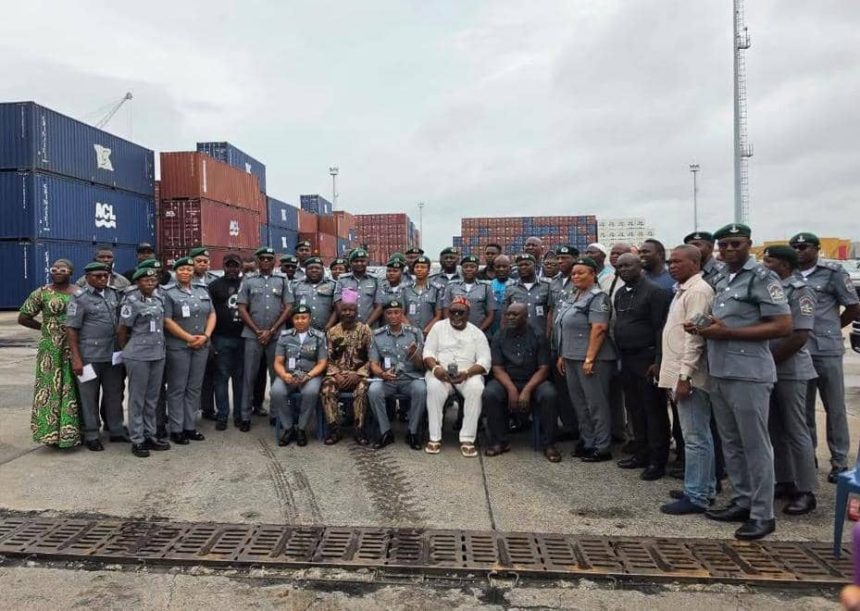
The sensitisation workshop, held in Lagos, marked the official rollout of the Electronic Cargo Tracking System at the PTML Area Command, making it the second pilot command to implement the initiative after its successful deployment at the Apapa Area Command.
Speaking at the event, the Acting Customs Area Controller of the PTML Command, Deputy Comptroller Nura Miko, said the deployment aligns with the Nigeria Customs Service’s ongoing modernisation drive under the leadership of the Comptroller-General of Customs, Adewale Adeniyi. He noted that PTML’s selection as a pilot command reflects its strategic importance in revenue generation and trade facilitation.
Miko explained that the Electronic Cargo Tracking System uses Global Positioning System (GPS) technology to provide real-time monitoring of cargo from its point of departure to its final destination. According to him, the system enables Customs to detect route deviations, seal tampering and unauthorised stops instantly, while improving manpower deployment, strengthening risk management and enhancing revenue assurance through better data intelligence.
He urged terminal operators, licensed customs agents and other stakeholders to support the initiative and collaborate with the Service to ensure its successful implementation.
In her welcome address, Deputy Comptroller of Customs in charge of Valuation, Regina Owan, described the launch of the Electronic Cargo Tracking System as another milestone in the Service’s digital transformation programme. She said the technology would improve cargo integrity, reduce cargo diversion, facilitate legitimate trade and strengthen national security.

Owan encouraged participants to take advantage of the training sessions to gain a proper understanding of the operations and benefits of the new system.
The sensitisation programme featured practical training for Customs officers, terminal operators, licensed customs agents and other stakeholders on the procedures and operational requirements of the Electronic Cargo Tracking System. Participants also observed a live demonstration of the platform’s real-time cargo tracking capabilities to prepare them for the effective implementation of the system.