RismadarVoice Reporters, June 23, 2026
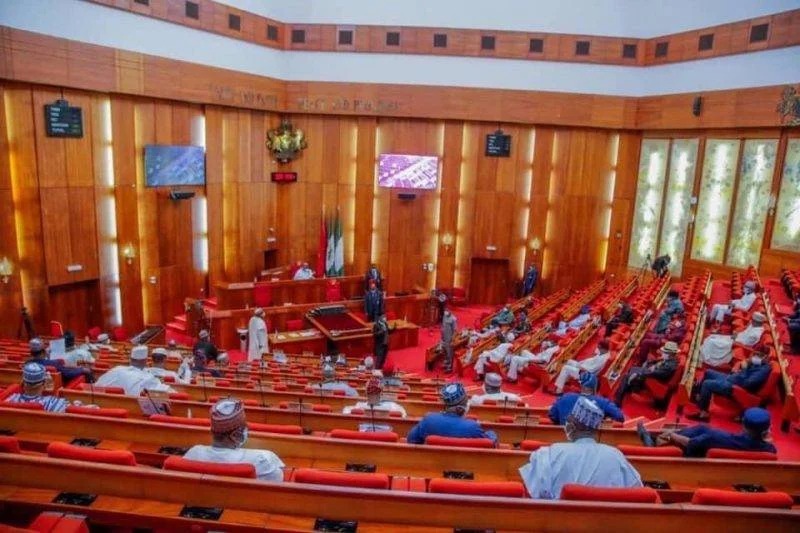
The Senate on Tuesday suspended deliberations on the proposed State Police Bill and other legislative matters during its emergency plenary session in honour of late House of Representatives member, Hon. Yaya Tongo.
The upper chamber had reconvened from recess amid expectations that lawmakers would begin consideration of key constitutional amendment proposals, including legislation seeking the establishment of state police across Nigeria.
However, proceedings took a solemn turn when Senate President Godswill Akpabio formally announced the death of Tongo, who represented the Kwami/Funakaye Federal Constituency of Gombe State.

The lawmaker reportedly passed away on June 12, 2026, at Nizamiye Hospital in Abuja after a brief illness.
His death has attracted tributes from political leaders, colleagues, and associates, who described him as a committed public servant with a strong record in grassroots development and youth empowerment.
Tongo was first elected to the House of Representatives on the platform of the Peoples Democratic Party (PDP) and later secured re-election in 2023. He subsequently joined the African Democratic Congress (ADC) in March 2026 during a period of political realignments ahead of future elections.
Announcing the suspension of legislative business, Akpabio said the Senate would adjourn its sitting to allow members participate in mourning activities and pay their final respects to the late lawmaker.
He extended condolences to the deceased’s family, constituents, and associates, describing the loss as a painful moment for the National Assembly.
Following the tribute, senators observed a minute of silence in honour of Tongo before the chamber adjourned.

The decision temporarily delays Senate consideration of several pending legislative matters, including the State Police Bill recently transmitted by President Bola Tinubu.
The proposed constitutional amendment seeks to establish a dual policing system comprising federal and state police formations. Advocates of the bill argue that it is a critical step toward addressing growing security challenges such as banditry, kidnapping, communal violence, and insurgency across the country.