RismadarVoice Reporters, June 7, 2026
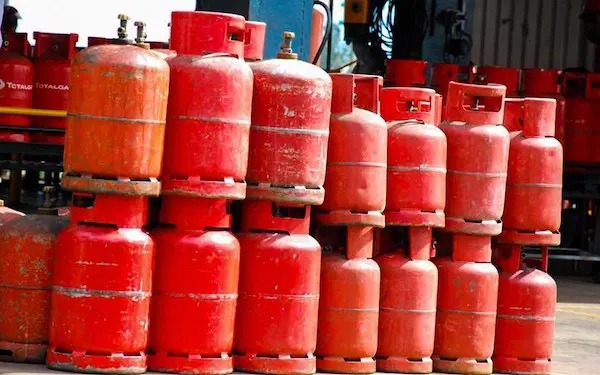
The Human Rights Writers Association of Nigeria (HURIWA) has criticised the continued increase in the price of Liquefied Petroleum Gas (LPG), commonly known as cooking gas, warning that the trend is worsening economic hardship and placing essential household energy beyond the reach of many Nigerians.
The rights advocacy group expressed concern over reports that cooking gas is now selling for as much as N2,000 per kilogram in some parts of the country, a development it says is deepening the cost-of-living crisis and forcing many households into energy poverty.

In a statement issued by its National Coordinator, Comrade Emmanuel Onwubiko, HURIWA attributed the situation to inadequate regulation and poor market oversight, arguing that an essential commodity such as cooking gas should not be subjected to excessive price increases without intervention.
According to the organisation, the sharp rise in LPG prices is creating additional pressure on families already struggling with inflation and rising costs across several sectors of the economy.
HURIWA maintained that the issue extends beyond economics, describing access to affordable energy as a matter that directly affects citizens’ welfare and quality of life.
The group argued that when basic household necessities become inaccessible to large segments of the population, the consequences can be severe, particularly for low-income families who must balance food, transportation, healthcare and other essential expenses.
Onwubiko stated that government authorities have a responsibility to ensure that economic conditions do not leave citizens vulnerable to exploitation or extreme hardship. He warned that prolonged inaction could further erode living standards and increase social tensions.
The association also criticised what it described as weak regulatory responses to pricing practices within the energy sector, calling for stronger oversight to prevent exploitative market behaviour.
HURIWA urged the Federal Government to immediately investigate the factors driving the increase in cooking gas prices and implement measures aimed at stabilising the market. It further called on relevant regulatory agencies to identify and sanction operators found to be engaging in unfair pricing practices.

The group also recommended targeted interventions to support households already burdened by rising costs of food, transportation, electricity and healthcare services.
According to HURIWA, if current trends persist, many Nigerians may be forced to abandon cleaner cooking alternatives and return to the use of firewood and charcoal, a shift that could have serious environmental and public health consequences.
The organisation noted that increased dependence on traditional fuels could contribute to deforestation, environmental degradation and a rise in respiratory illnesses associated with indoor air pollution.
Reaffirming its position, HURIWA stressed that the effectiveness of governance should be measured by its impact on citizens’ welfare and living conditions. The group called for urgent action to protect vulnerable households and ensure that essential commodities remain affordable and accessible to the wider population.