RismadarVoice Reporters, June 6, 2026
The United States military has confirmed that it intercepted Iranian missiles and drones launched toward key Gulf allies, while also carrying out retaliatory strikes on Iranian radar installations, in a fresh escalation that further strains an already fragile ceasefire arrangement.
U.S. Central Command (CENTCOM) said Iranian forces fired seven ballistic missiles toward Kuwait and Bahrain on Friday, prompting an immediate defensive response. According to CENTCOM, six of the missiles were intercepted successfully, while the seventh failed to reach its intended target. No casualties or injuries to U.S. personnel were reported.
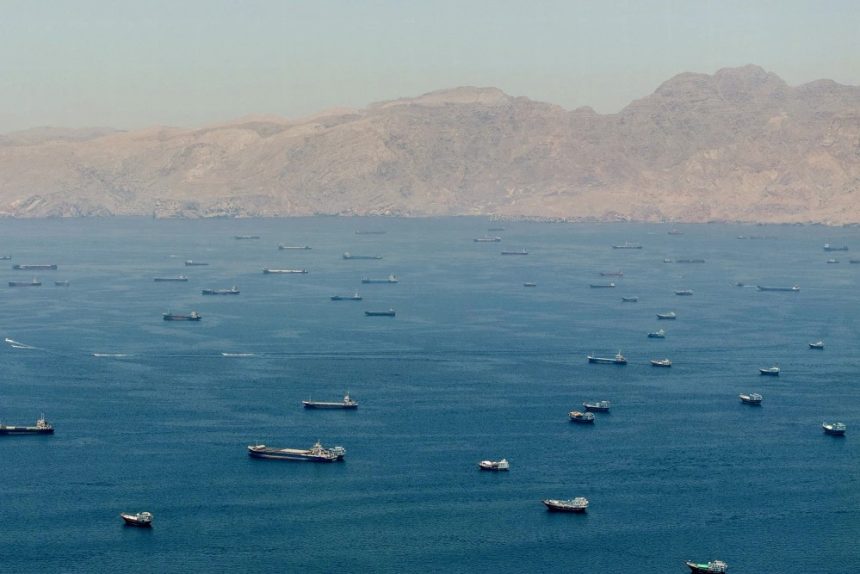
The missiles were launched following an earlier incident in which U.S. forces reportedly shot down four Iranian drones headed toward the Strait of Hormuz, a vital global shipping corridor. CENTCOM described the drones as an “immediate threat” to maritime traffic in the region.

“The attack drones posed an immediate threat to regional maritime traffic,” the command stated on social media.
In response to the coordinated aerial threats, the U.S. military said it struck Iranian coastal radar sites, including installations near an island in the Strait of Hormuz, in what it described as defensive action intended to prevent further attacks.
The exchange of fire comes amid continued instability in the Gulf, where tensions between Washington and Tehran have repeatedly flared despite ongoing diplomatic efforts to extend a ceasefire and negotiate a broader settlement to the conflict.
Kuwait’s armed forces confirmed they intercepted incoming missiles and drones, while Bahrain activated air raid sirens and instructed residents to seek shelter and follow official safety directives.
Iran’s Revolutionary Guard, however, claimed responsibility for the attack pattern, stating via state media that it targeted both the Ali Al Salem airbase in Kuwait where U.S. forces are stationed and the U.S. Navy’s 5th Fleet based in Bahrain.
The latest escalation adds to growing concerns over regional security, particularly around the Strait of Hormuz, a critical passage for global oil and gas shipments that has already seen repeated disruptions during the conflict.

Earlier in the week, Iranian drone activity reportedly caused significant damage at Kuwait’s main airport, killing one person, injuring several others, and forcing a temporary shutdown of operations.
Despite the renewed violence, U.S. President Donald Trump has maintained that diplomatic progress is still possible. Speaking at an event in Wisconsin, he said the situation with Iran was “going quite well” and insisted that a resolution whether through agreement or continued pressure would be reached soon.
“We’re going to come out of Iran very quickly and it’s going to be very strong one way or the other,” Trump said. “The very tough way is maybe the easier way.”
CENTCOM also confirmed that earlier in the day, U.S. forces boarded a sanctioned Iranian-linked oil tanker in the Indian Ocean as part of efforts to disrupt Iran’s revenue streams. Washington additionally announced new sanctions targeting individuals, companies, and shipping networks connected to Iran’s energy sector.