RismadarVoice Reporters, June 1, 2026
The United States and Iran continued to exchange military strikes over the weekend, deepening fears that a fragile ceasefire agreed in April is rapidly deteriorating, even as diplomatic negotiations over a broader deal remain deadlocked.
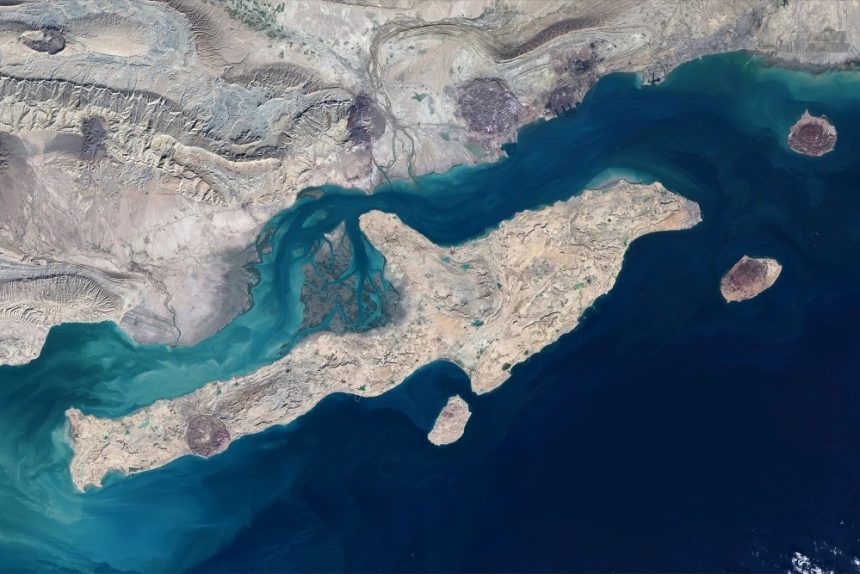
U.S. Central Command confirmed on Sunday that American forces carried out strikes on Iranian radar installations and drone control sites in Goruk and on the island of Qeshm, describing the operations as acts of self-defence after Iran shot down a U.S. MQ-1 drone flying over international waters.

American fighter aircraft destroyed Iranian air defences, a ground control station, and two one-way attack drones that officials said posed direct threats to vessels navigating regional shipping lanes. No U.S. casualties were reported.
Iran’s Islamic Revolutionary Guard Corps (IRGC) responded on Monday, announcing that its aerospace force had struck the air base it held responsible for a U.S. attack on a telecommunications tower on Sirik Island in Hormozgan province. In a stark warning carried by Iranian state media, the IRGC cautioned that should American strikes continue, its retaliation would be “completely different,” holding Washington directly responsible for any consequences.
The escalation also reverberated in Kuwait, where the country’s armed forces announced they were intercepting hostile missile and drone threats, with explosions heard as a result of active air defence operations. Kuwait hosts a prominent U.S. air base that has previously drawn fire from Iran and its allied militia groups.
The latest exchange marks yet another breakdown in a ceasefire arrangement that has now seen multiple violations since it was brokered in early April. The broader conflict, launched jointly by the United States and Israel on February 28, has claimed thousands of lives predominantly in Iran and Lebanon along with 13 American service members. The war has also sent global energy prices spiralling after Iran moved to close the Strait of Hormuz effectively. This critical maritime corridor had previously handled roughly a fifth of the world’s oil supply.
Nuclear negotiations between Washington and Tehran remain stalled. President Donald Trump on Friday set out firm conditions for any agreement, demanding that Iran permanently renounce nuclear weapons, that the Strait of Hormuz be reopened to unrestricted two-way shipping, and that any mines placed in the waterway be cleared. Iranian officials have accused the Trump administration of deliberately derailing talks through what they describe as excessive demands.

Complicating the diplomatic picture further is Israel’s ongoing military campaign in Lebanon. Prime Minister Benjamin Netanyahu declared on Sunday that Israel intends to establish direct control over additional Lebanese territory, after Israeli forces captured Beaufort Ridge a strategically significant medieval fortress — in the country’s deepest military incursion into Lebanon in over 25 years.
In response, U.S. Secretary of State Marco Rubio held separate conversations with Netanyahu and Lebanese President Joseph Aoun, putting forward a proposal described by a senior American official as one that would “create space for gradual de-escalation and an effective cessation of hostilities.” The precise timing of those discussions was not disclosed.