RismadarVoice Reporters
May 28, 2026
United States Vice President, JD Vance has warned against allowing artificial intelligence to replace human judgment in warfare, stressing that decisions involving life and death must remain in human hands.
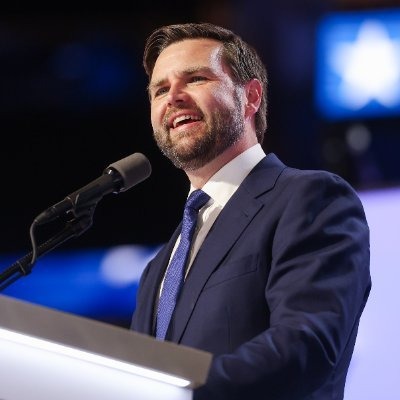
Vance spoke on Thursday during the commencement ceremony at the U.S. Air Force Academy in Colorado Springs, Colorado, where about 900 cadets graduated and were commissioned as Air Force officers.
According to him, while artificial intelligence could improve military operations, it should never supersede the role of human decision-makers on the battlefield.
“As AI transforms the battlefield in some ways positively, in some ways not, I ask that you be jealous and selfish about your role as the decision-maker in warfare,” Vance said.
“Use technology to make you better, but never submit to it. You are the masters of warfare.”
The vice president added that American soldiers must continue to uphold moral values in combat, insisting that warfare should remain guided by human conscience rather than machines.
“If the warfare of the future is to live up to the moral values of our ancestors, decisions over life and death must be made by humans and not machines,” he stated.

Vance’s remarks came days after Pope Leo XIV released a theological document warning against unchecked advances in artificial intelligence.
Referencing the pope’s concerns, Vance said AI raises major ethical questions about warfare, labour, cybersecurity and human interaction.
“The technology raises profound questions for how we interact with one another, the kind of skills we need in the workforce, and the kind of wars we’ll fight,” he said.
Despite previously advocating lighter regulation for AI development, Vance acknowledged growing public concerns over the technology’s rapid advancement and possible dangers.
He noted that the Trump administration has been engaging major technology companies to address cybersecurity risks linked to advanced AI systems.
The vice president also revealed that discussions are ongoing within the White House over how aggressively the government should regulate powerful AI models.

According to reports, some officials favour tighter oversight due to emerging cybersecurity threats, while others support a more relaxed regulatory approach to encourage innovation.
Vance, however, maintained that regardless of technological progress, human judgment and morality must remain central to military operations.