RismadarVoice Reporters, May 26, 2026
Chairman of the Economic and Financial Crimes Commission (EFCC), Ola Olukoyede, has called on Nigerian youths to actively support the fight against corruption, economic crimes and cyber fraud in the country.
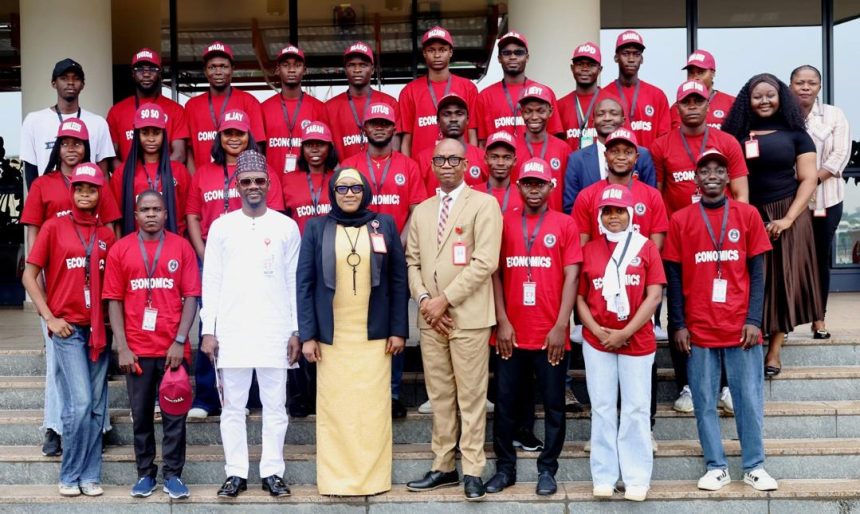
Olukoyede made the call while addressing students of Adamawa State University during a study visit to the EFCC headquarters in Jabi, Abuja.
Represented by the Head of Public Interface of the Commission’s Public Affairs Department, Tony Orilade, the EFCC chairman described corruption as one of Nigeria’s greatest challenges, warning that failure to confront it would continue to fuel unemployment, underdevelopment and loss of opportunities.

“If Nigerians come together and fight corruption sincerely, we will secure a better future. But if we fail to do so, we will continue to face unemployment, underdevelopment and loss of opportunities,” he said.
He stressed that the anti-corruption agency could not succeed alone without the support of citizens, especially young people.
“The EFCC needs you in this fight. We cannot take back this country from corruption unless everyone stands together,” Olukoyede stated.
Also speaking, the Head of Enlightenment and Reorientation Unit of the EFCC, Aisha Mohammed, said the commission’s responsibilities go beyond arrests and prosecution, noting that prevention and public education remain central to its mandate.
She explained that the EFCC promotes ethical values through Integrity Clubs in schools, Zero Tolerance Clubs in tertiary institutions and partnerships with the National Youth Service Corps, religious groups and civil society organisations.
Mohammed urged Nigerians to embrace whistleblowing and reject all forms of corruption and financial crimes.
“Corruption thrives in silence. What is bad is bad. Don’t fold your arms. Don’t put your hands where you are not supposed to,” she said.
In a presentation on cybercrime, Deputy Superintendent of the EFCC, Ogunjuobi Philip, warned students against engaging in internet fraud and other technology-driven crimes.
He explained that cybercrime includes hacking, phishing, ransomware attacks, romance scams and investment fraud, adding that such crimes damage public trust and tarnish the image of the country.

Philip encouraged the students to educate others on the dangers of cybercrime and use technology responsibly.
Coordinator of the excursion, Mr Enam P. Abalis, thanked the EFCC for hosting the students and organising the sensitisation programme on corruption and cybercrime awareness.