RismadarVoice Reporters, April 27, 2026
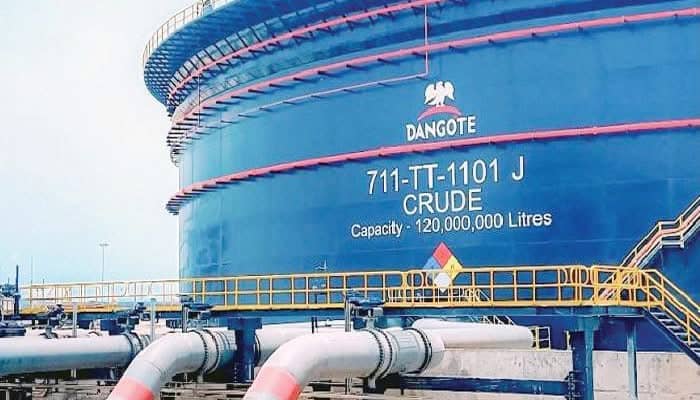
The planned expansion of the Dangote Petroleum Refinery is set to generate about 95,000 jobs, reinforcing expectations that the multi-billion-dollar project will play a transformative role in Nigeria’s industrial and employment landscape.
The development, comes as the refinery’s promoters push ahead with plans to scale up production capacity to 1.4 million barrels per day, a move that would position the facility among the largest refineries globally.
Owned by Africa’s richest man, Aliko Dangote, the refinery located in Lekki, Lagos, has already begun operations, producing refined petroleum products such as diesel, aviation fuel, and petrol for both domestic consumption and export markets.

Industry analysts say the proposed expansion could significantly deepen local content participation and reduce Nigeria’s dependence on imported petroleum products. The expected 95,000 jobs will span both direct and indirect employment opportunities across construction, logistics, operations, and ancillary services.
The refinery has been widely regarded as a cornerstone project for Nigeria’s energy security, with the capacity to meet domestic fuel demand and supply other African markets.
The expansion plan, first announced in 2025, aims to more than double the refinery’s initial capacity of about 650,000 barrels per day. This would surpass many existing global refineries and potentially make it the largest single-site refining complex in the world.
Experts note that beyond job creation, the expansion is expected to stimulate growth in related sectors, including petrochemicals, transportation, and manufacturing.
Economic observers believe the scale of employment generation could help ease Nigeria’s unemployment challenges while boosting foreign exchange earnings through increased exports of refined products.
However, they also caution that sustained benefits will depend on consistent crude supply, stable regulatory policies, and efficient distribution networks.

The Dangote Refinery, commissioned in 2023 and operational since 2024, remains one of the most ambitious industrial projects in Africa, with an investment exceeding $19 billion.