


By Micah Jonah
March 26, 2026
Iran has insisted that any ceasefire agreement involving the United States and Israel must also include Lebanon, a move that underscores Tehran’s commitment to its regional allies, signals a potential expansion of ongoing diplomatic negotiations.
According to multiple regional sources familiar with the discussions, Tehran has communicated to intermediaries that an end to the current conflict cannot be achieved without halting Israel’s military offensive against Hezbollah in Lebanon. The demand links broader ceasefire talks directly to developments on the Lebanese front, where fighting has intensified in recent weeks.
Iranian officials have indicated that they are still reviewing a proposal put forward by the United States aimed at ending the war, which has been raging for nearly a month. While Tehran has not rejected the proposal outright, its position suggests that any agreement must address not only Iran’s direct confrontation with Israel but also the role of allied groups across the region.
State-affiliated media in Iran has echoed this stance, quoting officials who stressed that any deal must secure an end to hostilities affecting both Iran and what it described as “resistance groups.” Chief among these groups is Hezbollah, which has been actively engaged in the conflict.
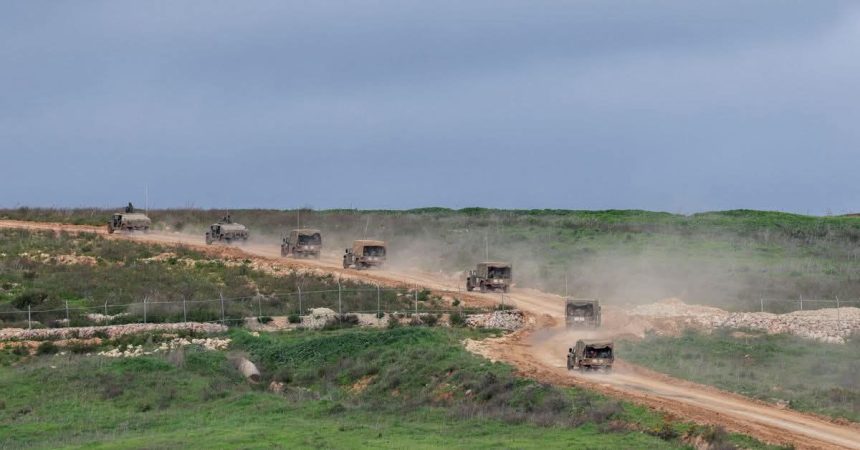
Hezbollah entered the war on March 2, launching attacks on Israel in solidarity with Iran. This move triggered a sustained Israeli air and ground campaign in Lebanon. Since then, the conflict has caused significant casualties, displacement, with Lebanese authorities reporting over 1,000 deaths and more than one million people forced from their homes.
Sources say Hezbollah has received assurances from Tehran that it will be included in any ceasefire arrangement. One regional official described these assurances as “Iranian guarantees,” adding that Tehran is prioritizing developments in Lebanon and is unlikely to accept any agreement that allows continued Israeli military actions in the country.
The situation reflects the deep ties between Iran and Hezbollah, a group established in 1982 with backing from Iran’s Revolutionary Guards. For decades, Hezbollah has served as a key component of Iran’s regional network of allied forces.
However, the conflict has also intensified political tensions within Lebanon. Hezbollah’s decision to enter the war has drawn criticism from other factions, particularly as the country faces internal instability. The Lebanese government has recently taken an unprecedented step by declaring Iran’s ambassador persona non grata, a move that has been strongly condemned by Hezbollah and its supporters.
A foreign official in Beirut noted that Hezbollah views inclusion in a broader ceasefire as critical to maintaining its political influence within Lebanon. The group is said to believe that a negotiated settlement backed by Iran could strengthen its standing amid growing domestic pressure to disarm.
On the opposing side, Israeli authorities have maintained a firm stance. Officials have reiterated that Israel does not engage in negotiations with Iran and have indicated that military operations against Hezbollah may continue independently of any broader ceasefire with Tehran. Sources familiar with Israel’s strategy suggest that the campaigns against Iran and Hezbollah are being treated as separate fronts.
Meanwhile, officials within the United States government have emphasised that any lasting peace in the region would require curbing Iran’s support for proxy groups and addressing the issue of Hezbollah’s military capabilities.
Analysts say Iran’s insistence on including Lebanon in ceasefire negotiations highlights the increasing complexity of the conflict, which now spans multiple countries and involves a network of state and non-state actors. The outcome of the talks could significantly reshape the balance of power in the Middle East and determine the future of regional security arrangements.
As diplomatic efforts continue, the situation remains fluid, with both military operations and negotiations unfolding simultaneously. Observers warn that failure to reach a comprehensive agreement could prolong the conflict and deepen instability across the region.