Micah Jonah
March 26, 2026
Mexico has confirmed it will continue to accept Cuban medical workers despite mounting pressure from the United States to end participation in the programme.
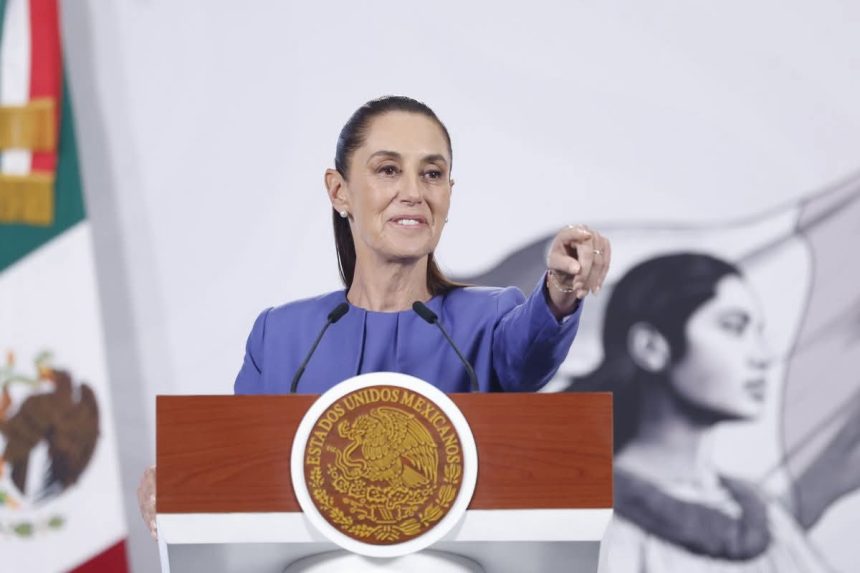
Mexican President, Claudia Sheinbaum, stated that the arrangement remains beneficial to the country, particularly in addressing healthcare gaps in rural and underserved communities.
According to her, thousands of Cuban doctors have been deployed across Mexico since 2022, providing critical medical services in areas where local professionals are scarce. She noted that the agreement between both countries has delivered practical results, especially in regions where it has been difficult to attract Mexican specialists.
The development comes amid increasing efforts by the administration of US President, Donald Trump, to discourage countries from engaging with Cuba’s international medical missions. Washington has raised concerns over the structure of the programme, describing it as exploitative.
The United States recently introduced legislation that could impose sanctions on countries participating in the scheme. The law mandates the US Secretary of State to identify nations that continue to make payments to the Cuban government for the services of its medical professionals.
US Secretary of State, Marco Rubio, has criticised the programme, alleging that it amounts to human trafficking. He argued that Cuban medical workers operate under strict restrictions and receive limited compensation for their services.
Cuba, however, has consistently defended the programme, describing it as a form of international solidarity and a key source of revenue for the country. The initiative, which has been in operation for decades, has seen Cuban doctors deployed to several countries across Latin America, Africa and other regions.
The programme has also drawn attention from international observers, with some experts raising concerns over working conditions, including restrictions on movement and the handling of travel documents.
Despite these concerns, Mexico has maintained its position, emphasizing the immediate benefits to its healthcare system. The government has continued to strengthen bilateral ties with Cuba, even as other countries in the region, including the Bahamas, Honduras, Guatemala, Jamaica and Guyana, have withdrawn from the arrangement.
The situation reflects broader geopolitical tensions between the United States and Cuba, with Washington intensifying efforts to isolate the Cuban government through economic and diplomatic measures.
Mexico’s decision highlights its attempt to balance relations with both Cuba and the United States while prioritising domestic healthcare needs.