By Micah Jonah, March 14, 2026
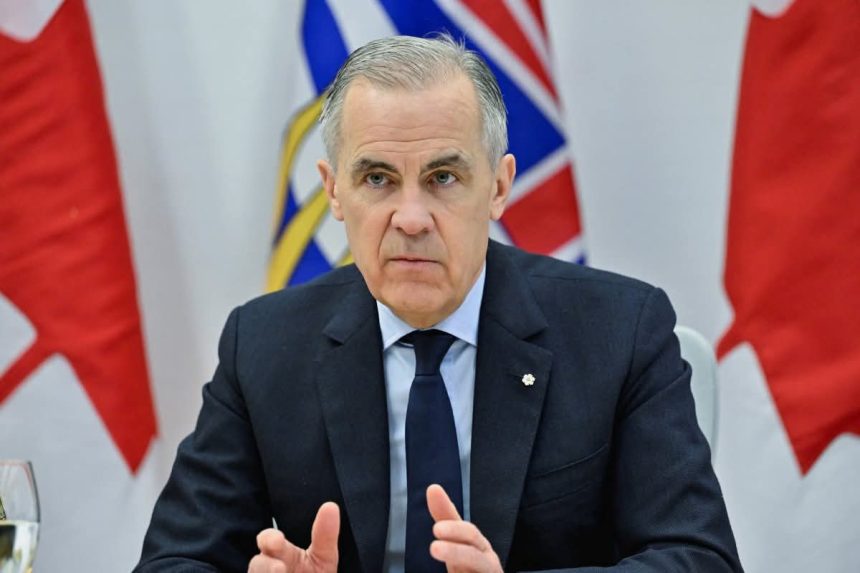
Canadian Prime Minister, Mark Carney is nearing one year in office, pushing aggressively to strengthen the country’s economy amid US trade threats. His “elbows up” approach focuses on fast-tracking major resource and infrastructure projects worth CAD 116 billion ($85 billion), including LNG terminals, mines, nuclear plants, and wind power developments.
While public opinion largely supports Carney’s national economic strategy, his initiatives have sparked sharp divisions among Indigenous peoples. Critics argue that many projects advance without adequate consultation, potentially infringing on constitutional rights and traditional lands. Shady Hafez, a member of the Kitigan Zibi Anishinabeg First Nation, warned that “Indigenous communities have to suffer” when economic expediency overrides their rights.
Tensions intensified after Carney fast-tracked a controversial oil pipeline in Alberta, prompting resignations within his cabinet and emergency opposition from the Assembly of First Nations (AFN). AFN National Chief Cindy Woodhouse Nepinak stressed that Indigenous participation is essential for legitimacy: “If you want to fast-track anything, you better make sure that First Nations are being included right off the bat.”
Some Indigenous groups, like the First Nations Natural Gas Alliance and the Nisga’a Nation, support Carney’s approach, citing economic benefits and job creation. The Ksi Lisims LNG project in British Columbia, co-developed with the Nisga’a Nation, is projected to bring CAD 30 billion ($22 billion) in investment and thousands of jobs while adhering to treaty rights.
However, opposition remains strong among other First Nations, including the Gitanyow community, who argue that their consent and knowledge have been ignored. Political science experts stress that free, prior, and informed consent is a legal and ethical necessity, and bypassing it could stall controversial projects through court challenges.
Carney’s administration insists that Indigenous consultation remains a priority, but balancing rapid economic growth with respect for Indigenous sovereignty and environmental safeguards remains a central challenge. As Canada navigates U.S. trade pressures, the government’s relationship with Indigenous peoples will be critical to both legitimacy and long-term economic stability.