


By Micah Jonah, March 3, 2026
The escalating conflict involving Iran has thrown the Gulf region into uncertainty, raising fears among investors, potentially reshuffling the economic hierarchy among member states of the Gulf Cooperation Council.
The six member nations Bahrain, Kuwait, Oman, Qatar, Saudi Arabia and the United Arab Emirates have come under sustained rocket and drone attacks in recent days, unsettling foreign businesses and expatriates who have long viewed the region as a stable investment haven.
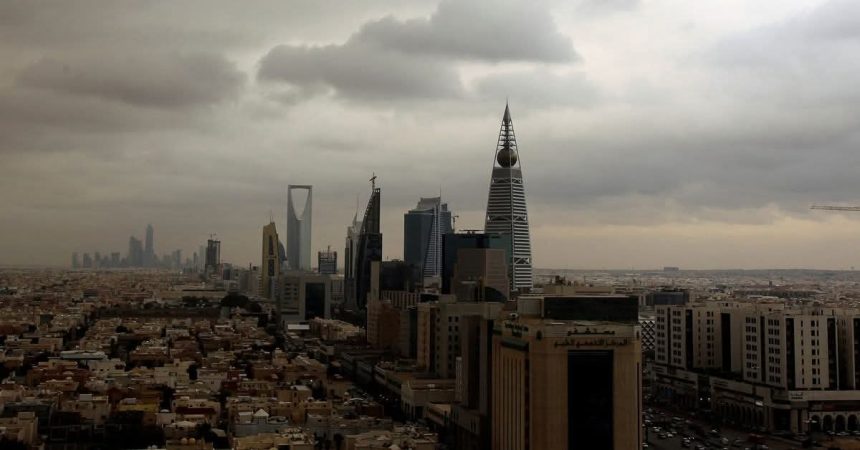
With airspace closures in the United Arab Emirates over the weekend, attention has shifted to Saudi Arabia, where flights have continued operating. Reports indicate that some companies have moved staff to Riyadh as a precaution, potentially strengthening the Saudi capital’s appeal as a regional business hub.

Major international banks, including JPMorgan, HSBC, and Morgan Stanley, are said to be weighing operational shifts. Analysts note that Saudi Arabia’s state-backed giants such as the Public Investment Fund could offer lucrative advisory opportunities, giving Riyadh a competitive edge over Dubai.
The conflict has also disrupted key infrastructure. QatarEnergy was reportedly forced to halt production following drone attacks, while financial markets in Abu Dhabi and Dubai temporarily closed. Analysts at JPMorgan cut 2026 non-oil growth forecasts for the UAE by 0.5 percentage points, compared to a 0.3-point reduction for Saudi Arabia.
A major concern remains the Strait of Hormuz, through which roughly one fifth of the world’s daily oil supply passes. Any prolonged disruption could drive energy prices higher, benefiting oil exporters, deepening global economic strain.

While the UAE has outperformed Saudi Arabia in attracting foreign investment in recent years, continued security threats could shift that momentum. For now, the Iran crisis has unsettled the Gulf’s economic order and may redefine which state emerges strongest once the conflict subsides.