By Micah Jonah
March 3, 2026
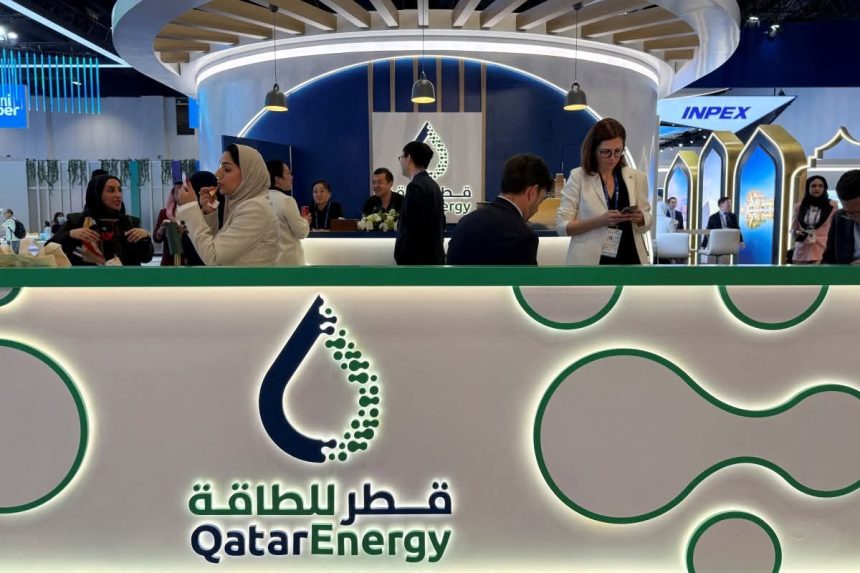
QatarEnergy’s decision to suspend liquefied natural gas (LNG) production following drone strikes has sent shockwaves through global energy markets, raising concerns about supply shortages and surging prices.
Iranian drones struck facilities in Mesaieed Industrial City and the Ras Laffan industrial complex, prompting the state-owned QatarEnergy to halt operations at affected sites for security reasons. No casualties were reported.
Why Did Production Stop?
The Ras Laffan complex is central to Qatar’s LNG processing and export capacity. Following the attack, QatarEnergy declared force majeure, a legal step allowing it to suspend contractual obligations due to extraordinary circumstances.
The suspension comes amid intensifying regional conflict that has severely disrupted maritime traffic through the Strait of Hormuz, a vital corridor for global energy shipments. Tankers carrying LNG and oil have reportedly anchored in large numbers as security risks mount.
Why Does This Matter Globally?
Qatar accounts for roughly 20 percent of global LNG exports. With a significant portion of that supply suddenly offline, global markets are scrambling to secure alternative sources.
The immediate result has been price volatility. Benchmark Dutch and British wholesale gas prices surged sharply following the announcement, while Asian LNG benchmarks also recorded steep gains.
Energy analysts warn that even a temporary halt could tighten supply chains already strained by geopolitical instability.
Who Is Most Affected?
Asian countries are expected to feel the immediate impact. Bangladesh, India and Pakistan are among key buyers of Qatari LNG.
China, the world’s largest natural gas importer, sources much of its supply from Australia but still relies on Qatar for a portion of its imports.
Europe may also face indirect pressure. Although most Qatari LNG shipments head to Asia, reduced global supply forces buyers to compete for available cargoes, pushing prices higher worldwide.
Is This a Full-Blown Crisis?
Analysts caution that while volatility is likely in the short term, the situation has not yet reached crisis levels comparable to Europe’s 2022 energy shock following Russia’s invasion of Ukraine.
The United States is currently the world’s largest LNG exporter, followed by Qatar and Australia, offering some buffer capacity to global markets.
European officials are expected to meet this week to assess supply security as the Middle East conflict widens.
Much will depend on how long QatarEnergy’s facilities remain offline and whether further infrastructure in the Gulf region is targeted. For now, markets remain on edge as energy security once again becomes a central geopolitical concern.