By Micah Jonah, March 2, 2026
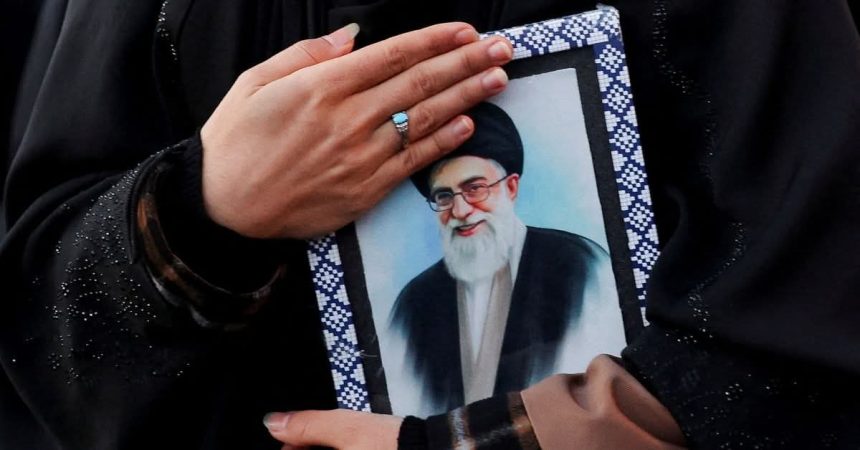
Senior United States officials remain skeptical that the killing of Iran’s Supreme Leader, Ayatollah Ali Khamenei, will trigger an immediate collapse of the Islamic Republic, according to sources familiar with American intelligence assessments.
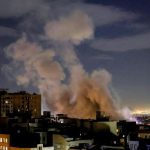
Khamenei was killed on Saturday in joint US-Israeli strikes targeting Iran’s military and strategic infrastructure. While US President Donald Trump has publicly called on Iranians to “take back” their country, intelligence officials caution that regime change in Tehran is far from certain in the near term.
Multiple US officials said assessments presented to the White House before the strikes suggested that, if Khamenei were killed, he would likely be replaced by hardline figures from the Islamic Revolutionary Guard Corps (IRGC) or conservative clerical circles rather than ushering in a moderate or opposition-led government.
Analysts noted that Iran’s opposition movement has been severely weakened by crackdowns, including a wave of violent repression during protests earlier this year. Intelligence reports indicated no significant defections from the IRGC during those demonstrations a factor seen as critical to any successful revolution.
One US official said the IRGC leadership is unlikely to capitulate voluntarily, citing entrenched patronage networks and deep institutional loyalty within the security apparatus.
Although no officials completely ruled out the possibility of political upheaval, sources described the prospect of regime collapse as “unlikely” in the short term.
On Sunday, Iranian President, Masoud Pezeshkian announced that a temporary leadership council had assumed the duties of Supreme Leader, signalling continuity within the governing system despite the loss of its top figure.
Within US intelligence circles, debate has also centred on whether Khamenei’s death could alter Iran’s approach to nuclear negotiations or deter it from rebuilding missile and nuclear capabilities damaged in recent strikes. However, sources said there is no clear consensus on whether Tehran’s strategic posture would significantly change.
In recent months, Trump’s special envoy reportedly held discussions with exiled opposition figure Reza Pahlavi, fuelling speculation about potential US backing for alternative leadership. Officials now express increasing doubt that any Washington-supported opposition figure could swiftly consolidate control inside Iran.
Former US intelligence officials warn that any large-scale uprising would depend on whether security forces stand aside or align with protesters. Without such shifts, remnants of the regime are likely to retain control.
For now, despite escalating military exchanges, US officials appear to be preparing for the likelihood that Iran’s political system though shaken will endure beyond Khamenei’s death.