By Micah Jonah
February 26, 2026
Nepal is set to hold national elections on March 5, its first since youth led anti corruption protests last year forced the resignation of then Prime Minister K.P. Sharma Oli. The demonstrations, which left 77 people dead and more than 2,000 injured, reshaped the country’s political landscape and brought a surge of new young voters into the system.
The Voters:
Nearly 19 million people out of Nepal’s population of 30 million are eligible to vote in the election for the 275 member federal parliament. Around one million new voters, most of them young people mobilized during last year’s protests, have been added to the electoral roll.
Of the 275 seats, 165 will be decided through direct constituency contests, while the remaining seats will be allocated under a proportional representation system based on each party’s share of the national vote. Election officials say 65 political parties are participating.
Key Issues:
Corruption and job creation are central campaign themes. Analysts say high youth unemployment, widespread poverty, with about one fifth of the population living below the poverty line, are major concerns for voters.
Foreign policy is also in focus, particularly Nepal’s delicate balancing act between its two powerful neighbours, India and China. India accounts for roughly two thirds of Nepal’s trade, while China represents about 14 percent and has provided significant loans and investment support to the Himalayan nation.
Main Contenders:
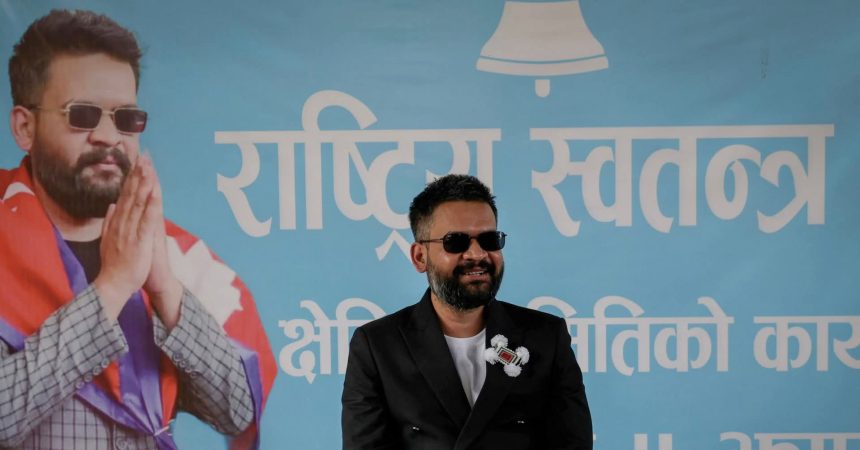
Among the leading candidates is Balendra Shah, a 35 year old rapper turned politician and former mayor of Kathmandu. He represents the Rastriya Swatantra Party and is positioning himself as a reform candidate appealing strongly to younger voters.
Challenging him in Jhapa 5 constituency is Oli, a four time prime minister from the Communist Party of Nepal (Unified Marxist–Leninist). Oli faces an uphill task in regaining support after being removed from office six months ago.
Other prominent contenders include Gagan Thapa of the Nepali Congress and three time prime minister Pushpa Kamal Dahal, who now leads the Nepal Communist Party. Dahal previously led a decade long Maoist insurgency before joining mainstream politics in 2006.
The outcome of the March 5 vote will determine whether Nepal’s young protest movement can translate its momentum into lasting political change, or established political forces will regain control of the government.