RismadarVoice Reporters
September 29, 2026
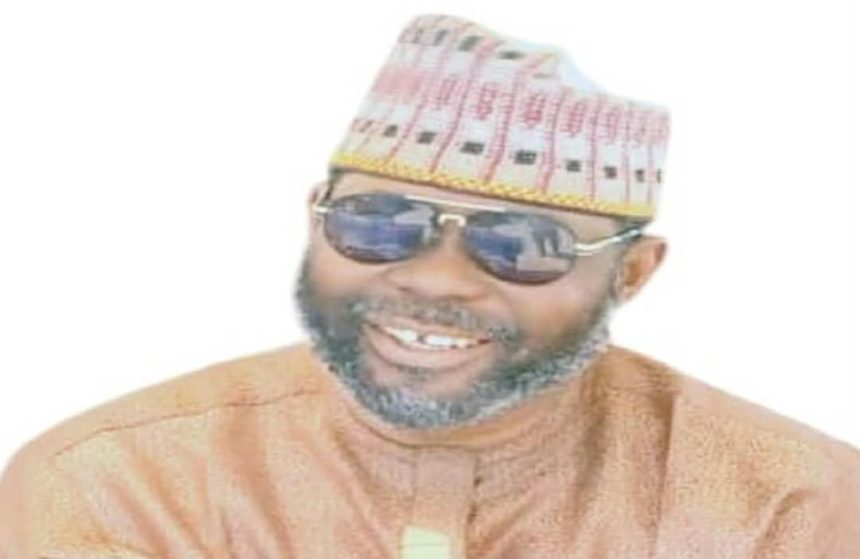
Director-General of the Narrative Force, Aare Amerijoye, DOT.B, has called for investigations and greater accountability over concerns surrounding public expenditure not captured in Nigeria’s regular fiscal reporting.
In a strongly worded statement titled “A Thief’s Carnival,” Amerijoye criticised President Bola Tinubu’s administration over findings by the International Monetary Fund concerning discrepancies between reported government expenditure and financing.
The IMF’s 2026 assessment of Nigeria’s economy estimated a statistical discrepancy equivalent to 2.7 per cent of GDP in 2025, which it said could reflect spending not captured by the Office of the Accountant-General of the Federation.

The Fund also noted that some expenditures had been executed outside the budget before being incorporated through the repeal and re-enactment of the 2024 and 2025 budgets.
Separately, IMF Resident Representative in Nigeria, Christian Ebeke, said in July that expenditure equivalent to about two per cent of GDP had not been reported and should be recorded to eliminate the discrepancy.
The figure has been estimated at ₦8.8 trillion based on Nigeria’s nominal GDP, triggering public debate over fiscal transparency and legislative oversight.
Amerijoye argued that the development raised serious questions about public financial management and called for disclosure of the projects, contractors and officials associated with expenditure outside the regular budget framework.
He also demanded National Assembly hearings, an audit by the Auditor-General of the Federation and investigations by anti-corruption agencies.
The Federal Government has, however, rejected claims that the IMF findings establish the existence of a “shadow budget” or prove that trillions of naira were unlawfully spent.
The government maintains that the controversy concerns fiscal reporting and the treatment of major infrastructure expenditure rather than evidence that public funds disappeared.

The IMF itself has called for improvements in Nigeria’s budget process, fiscal reporting, transparency and accountability, while noting that some previously off-budget priority projects had subsequently been brought within the budget framework.
Amerijoye nevertheless maintained that the controversy required comprehensive public scrutiny and argued that Nigerians should demand greater transparency over government expenditure.
His broader statement also criticised the Tinubu administration’s economic policies and questioned its record ahead of the 2027 general election.
Those assessments represent the author’s political views and allegations rather than findings contained in the IMF report.