RismadarVoice Reporters
June 22, 2026
High-level talks between the United States and Iran have commenced in Switzerland amid rising tensions over President Donald Trump’s latest threats against Tehran and Israel’s continued military operations in Lebanon.
The negotiations, taking place at the Burgenstock resort in Switzerland, come days after both countries agreed to a 60-day extension of the ceasefire to create room for diplomatic engagement and reduce regional tensions.
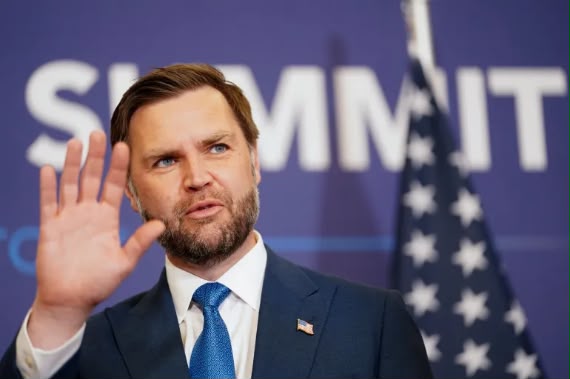
Leading the discussions are United States Vice President JD Vance and Iran’s chief negotiator, Mohammad Bagher Ghalibaf, with Qatar and Pakistan participating as mediators in the talks.
Despite hopes for progress, the negotiations have been overshadowed by renewed hostilities in Lebanon and sharp exchanges between Washington and Tehran.

President Trump, who is not directly participating in the talks, warned Iran to halt support for Hezbollah, accusing the group of destabilising Lebanon.
“Iran must immediately stop their highly paid proxies in Lebanon from causing trouble. If they don’t, we’ll hit Iran very hard again, just like we did last week, only harder,” Trump wrote on his Truth Social platform.
The remarks drew a swift response from Ghalibaf, who dismissed the threats and insisted Iran would not be intimidated.
“We do not take American threats into account. Our armed forces are ready to respond, and we are the ones who act,” he said.
Speaking at the opening of the negotiations, Vice President Vance expressed optimism about the prospects for peace, noting that recent developments had created opportunities for broader regional stability.
“The opening of the Strait of Hormuz, the ending of the Iranian nuclear programme these are significant achievements. The question now is how much more can we accomplish together,” Vance said.
Pakistan’s Prime Minister, Shehbaz Sharif, who is also involved in the mediation efforts, expressed hope that the talks would result in agreement that could promote peace, progress and prosperity across the region.
The talks come against the backdrop of continued Israeli military strikes in Lebanon, which Iranian officials argue violate the terms of the interim agreement reached earlier this month. The agreement reportedly called for a cessation of hostilities across all fronts, including Lebanon.

Iran has accused the United States of failing to ensure compliance with the arrangement, while warning that continued attacks could further complicate diplomatic efforts.
A first round of discussions between the United States, Iran, Qatar and Pakistan concluded after about 80 minutes, with delegates breaking for internal consultations.
Reports indicate that key issues under discussion include sanctions relief, access to frozen Iranian assets and future arrangements affecting Iran’s energy sector.