RismadarVoice Reporters, May 12, 2026
The Akwa Ibom State branch of the Nigerian Medical Association (NMA) has embarked on an indefinite strike following a controversial operation by operatives of the Economic and Financial Crimes Commission (EFCC) at the University of Uyo Teaching Hospital (UUTH).
The decision was reached after an emergency meeting of the association in response to Tuesday’s incident, which medical practitioners alleged involved the use of tear gas, gunshots, and physical assault on healthcare workers within the hospital premises.
The doctors are also demanding ₦1 billion in compensation from the anti-graft agency, describing the incident as a serious breach of medical safety and professional ethics.

According to reports from members of the association, the operation reportedly triggered panic within the hospital environment, forcing patients, staff, and visitors to seek safety as normal medical activities were disrupted.
A medical practitioner, Dr Ukeme Ebu, who shared accounts of the incident, described the situation as traumatic, alleging that healthcare workers were exposed to danger while performing their duties.
The dispute is linked to the reported arrest attempt of the Deputy Chairman of the Medical Advisory Committee (DC-MAC), Prof. Eyo Ekpe, a consultant cardiothoracic surgeon, during the EFCC operation.
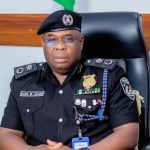
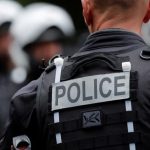
In response to the incident, the Akwa Ibom State Police Command earlier clarified that its personnel were not involved in the operation. The Command stated that officers were only deployed to the hospital after receiving a distress call from the Chief Medical Director over the presence of armed individuals.
The police further explained that their role was limited to maintaining order and ensuring that the situation did not escalate, adding that no officer participated in any assault or enforcement action at the facility.
The EFCC has not yet issued an official response to the allegations, the strike declaration, or the compensation demand.

The ongoing industrial action is expected to severely disrupt healthcare services at UUTH and potentially affect other public health facilities across Akwa Ibom State if the dispute remains unresolved.