RismadarVoice Reporters
October 28, 2026
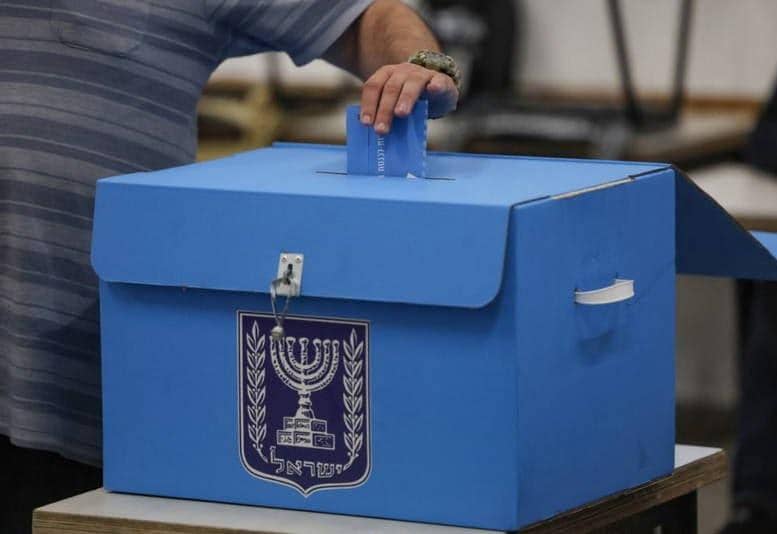
Israeli Prime Minister Benjamin Netanyahu’s political bloc has maintained a narrow lead in the country’s parliamentary election, but neither his camp nor the opposition has secured the majority needed to form a government.
Updated projections on Wednesday showed Netanyahu’s bloc winning approximately 54 seats in the 120-member Knesset after about 72 per cent of ballots had been counted.
Earlier results, based on 51.8 per cent of ballots counted, had placed Netanyahu’s bloc at 55 seats, compared with 49 for the opposition led by former military chief Gadi Eisenkot and 16 for Arab parties.

The changing figures highlight the uncertainty surrounding the election, with 61 parliamentary seats required to secure a governing majority.
Tuesday’s election was Israel’s first general poll since the Hamas-led attacks of October 7, 2023, and the subsequent wars that have reshaped the country’s political and security landscape.
The vote also served as a major test of Netanyahu’s leadership amid public divisions over national security, the Gaza conflict and Israel’s regional military operations.
Exit polls initially suggested a closely divided parliament, with neither of the two principal political blocs approaching an outright majority.
Both Netanyahu and Eisenkot nevertheless expressed confidence in their ability to form the next government.
Addressing supporters in Jerusalem, Netanyahu called for the establishment of a strong right-wing administration, although he stopped short of declaring an outright electoral victory.
Eisenkot, speaking to supporters in Tel Aviv, argued that the election demonstrated public dissatisfaction with Netanyahu’s leadership.
He also warned against using national security concerns for political purposes and urged opposition parties to work towards forming a government.
Arab parties emerged as potentially important players in the post-election negotiations following increased support among Palestinian citizens of Israel.
Their parliamentary representation could influence coalition negotiations, although both major blocs have expressed reservations about relying on Arab parties to form a government.
Political analysts have also raised the possibility of an opposition-led minority administration receiving parliamentary support from Arab lawmakers without formally including them in a coalition.

Voter turnout reached approximately 77.7 per cent, the highest level recorded in more than two decades.
Once the official results are finalised, President Isaac Herzog is expected to consult parliamentary parties before assigning a candidate the task of forming a government.
Coalition negotiations could take several weeks, particularly if neither major bloc can secure sufficient support.
Netanyahu would remain in office in a caretaker capacity while the process continues.
For now, the partial results leave his bloc ahead but without a parliamentary majority, with the outcome dependent on outstanding ballots and subsequent coalition negotiations.