RismadarVoice Reporters
May 23, 2026
Legal practitioners, including Senior Advocate of Nigeria, Oyetola Atoyebi, have cautioned against the unregulated use of Artificial Intelligence in legal practice, citing concerns over deepfakes, plagiarism, misinformation and ethical violations.
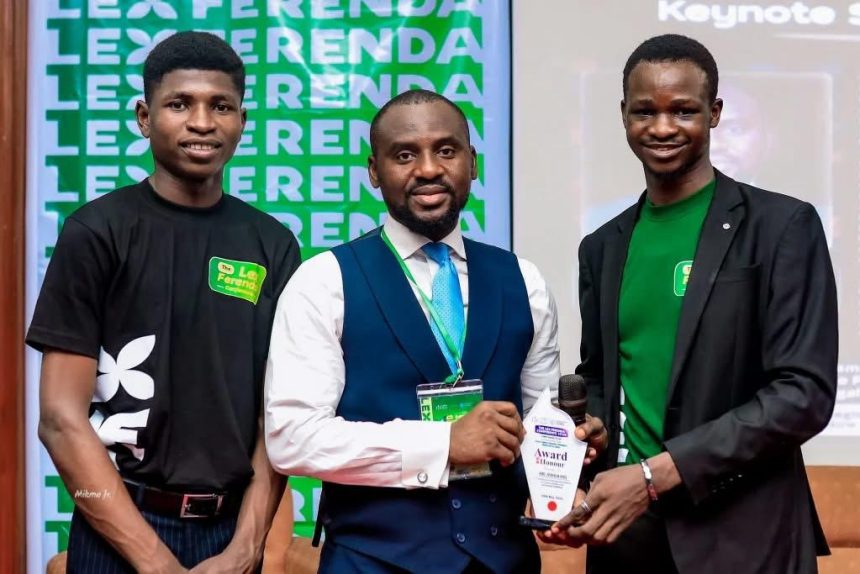
The experts spoke during the Lex Ferenda Conference 2026 held on Wednesday at the University of Lagos, Akoka.
The conference, themed “The Future of Legal Scholarship in the Digital Age,” was jointly organised by the Lawrit Journal of Law and the Justice Oputa Student Chambers, attracting lawyers, academics, policy experts, students and stakeholders within the legal profession.
Delivering the keynote address, Atoyebi, represented by legal practitioner Joseph Adewumi, noted that while AI had become unavoidable in modern legal practice, there was an urgent need for caution and proper regulation.
According to him, AI tools could improve legal research and service delivery if properly utilised, adding that existing legal frameworks already provide some safeguards for digital practices.
“The theme is very instructive. In the legal profession, there are still some core traditional things that cannot change, but technology has helped us to enhance and evolve in our application of research to client cases,” he said.

“We have no choice, there is no way we won’t be using AI tools, but we have to be cautious. The truth is that we cannot do without them but there are always safeguards. That is why we are having this legislation to caution practitioners while minding issues such as deepfakes, plagiarism and the like.”
Guest Speaker and Partner at Banwo & Ighodalo, Olumide Osundolire, represented by Mubarak Dosunmu, said technology and AI had significantly transformed legal scholarship and expanded access to global opportunities.
He explained that digital tools had eliminated many geographical barriers that once restricted access to legal materials and academic collaboration.
“You in UNILAG today can be writing for Oxford, Harvard and can be reviewing for the University of Berkeley because you are no longer in a stratified position. Your brilliance is no longer limited to where your physical legs can take you,” he said.
“The impact that AI has had on legal practice and scholarship cannot be quantified. There are so many things that would have taken you a month to do that with the right AI tool will take you less than a day.”
Also speaking, Senior Associate at Babalakin & Co, Daniel Igiekhumhe, stressed the need for effective regulation to prevent the misconception that AI could completely replace lawyers.
He noted that conversations around AI regulation had become increasingly important following cases involving AI-generated court documents and manipulated digital evidence.

Chairperson of the Lawrit Journal of Law, Adeyanju Ayomikun, maintained that AI and human lawyers would continue to coexist in the profession.
“AI helps us to work efficiently but it will not represent us in court. We are too African for that,” she said.
The conference also featured panel discussions, networking sessions and the launch of a book titled Mastering Legal Research and Writing by the Lawrit Journal of Law.