Micah Jonah
March 6, 2026
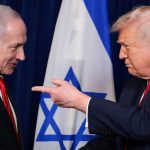
Iranian Kurdish opposition groups remain uncertain about rising against the Islamic Republic of Iran after President Donald Trump encouraged an uprising – following US-Israeli strikes that killed Supreme Leader Ayatollah Ali Khamenei. Analysts say Kurdish forces are wary due to past betrayals, unclear US intentions.
The Kurdish opposition is one of the few organized armed challenges to the Iranian government, with experienced fighters and political networks mainly based in the semi-autonomous Kurdish region of northern Iraq. Groups include the Democratic Party of Iranian Kurdistan (PDKI), Kurdistan Freedom Party (PAK), Kurdistan Free Life Party (PJAK), and Komala.
Despite being motivated by decades of repression, analysts warn that Kurdish forces, numbering around 10,000, are heavily outnumbered by Iran’s estimated half-million-strong army and would depend on US or Israeli support. Past experiences, such as the 1991 Kurdish uprising in Iraq and US withdrawals in Syria, have left deep mistrust.
Iran has already launched missile and drone strikes targeting Kurdish opposition strongholds in northern Iraq, with the Kurdish Regional Government emphasizing that it does not want conflict with Iran. Experts say any Kurdish action now could have serious repercussions for the region’s 5 million residents.
Nevertheless, some analysts suggest the combination of weakened Iranian alliances, ongoing protests in Iran, and decades of opposition experience may prompt Kurdish groups to act despite the risks, potentially in the coming days.