RismadarVoice Reporters
October 16, 2026
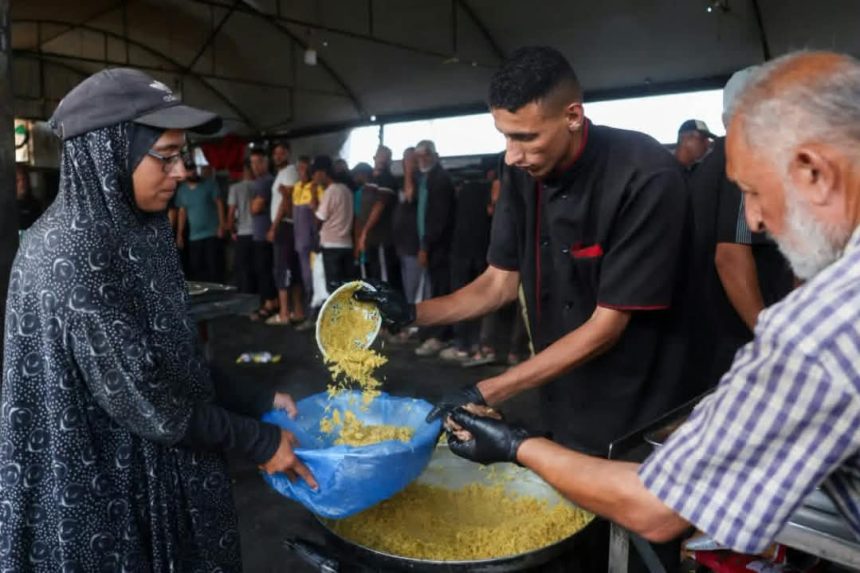
The Palestinian Ministry of Health in Gaza has raised fresh concerns over worsening hunger and malnutrition in the territory, warning that food insecurity remains at catastrophic levels despite a United States-brokered ceasefire intended to facilitate the delivery of humanitarian assistance.
The ministry disclosed on Friday, October 16, that at least 466 Palestinians had died from malnutrition and starvation since 2024, with children accounting for approximately one-third of the fatalities.
The figures were released in a statement marking World Food Day, as humanitarian organisations warned that disruptions to food deliveries could reverse improvements recorded in recent months.

According to the ministry, years of conflict, displacement, restrictions on supplies and the destruction of essential infrastructure have left large sections of Gaza’s population struggling to obtain adequate food, clean water and medical care.
The ministry warned that the situation remained particularly dangerous for children, pregnant women and elderly residents, who face increased health risks from prolonged nutritional deficiencies.
CHILDREN AND ELDERLY AMONG HARDEST HIT
The Gaza Health Ministry reported that elderly Palestinians accounted for the largest proportion of recorded malnutrition-related deaths.
According to its figures, 189 elderly people have died from hunger and malnutrition, representing approximately 40.5 per cent of the 466 fatalities documented since 2024.
The ministry also disclosed that 11 per cent of elderly residents had gone an entire day without eating, while 48 per cent had reduced their food portions to allow other family members to eat.
The findings highlight the difficult decisions confronting households as families struggle to distribute limited food supplies among children, older relatives and other vulnerable members.
Children remain another major concern, with the ministry estimating that approximately 74,200 will require treatment for acute malnutrition between now and April 2027.
Acute malnutrition can weaken the immune system, increase vulnerability to infectious diseases and interfere with children’s physical and cognitive development.
Without timely nutritional support and medical treatment, severe cases can become life-threatening.
MALNUTRITION AFFECTING PREGNANT WOMEN
The ministry also reported a sharp increase in anaemia among pregnant women in Gaza, linking the development to inadequate nutrition and deteriorating living conditions.
According to the figures, the prevalence of anaemia among pregnant women rose to 61 per cent in 2026, compared with 41 per cent before the conflict began in October 2023.
Anaemia during pregnancy can increase the risk of complications for both mothers and babies, particularly where access to adequate nutrition and healthcare is limited.
The ministry further disclosed that nearly 4,000 pregnancy losses were recorded during the first six months of 2026.
It said the figure was more than three times the number recorded during the preceding six-month period.
The reported increase has intensified concerns about the combined effects of food shortages, displacement, psychological stress and limited access to maternal healthcare.
However, the ministry’s figures do not independently establish the specific cause of each pregnancy loss.

OVER 1.4 MILLION PALESTINIANS FACE SEVERE FOOD INSECURITY
The Health Ministry warned that more than 1.4 million Palestinians, representing approximately 67 per cent of Gaza’s population, are projected to experience crisis-level food insecurity or worse through the end of 2026.
The projection suggests that a substantial majority of residents could continue to struggle to meet their basic nutritional needs as the winter season approaches.
Crisis-level food insecurity generally describes conditions in which households face serious food consumption gaps or are forced to adopt damaging coping strategies to obtain food.
Humanitarian agencies have repeatedly warned that sustained food insecurity can lead to rising malnutrition, preventable illness and deaths, particularly among vulnerable populations.
The ministry called for urgent international intervention to ensure the uninterrupted delivery of food, medicines and other essential humanitarian supplies.
It also appealed for assistance to restore local food production, which has been severely disrupted by the conflict.
UNICEF WARNS RECENT IMPROVEMENTS COULD BE REVERSED
The United Nations Children’s Fund (UNICEF) has warned that recent progress in addressing malnutrition in Gaza remains fragile and could be reversed if humanitarian and commercial supplies are disrupted.
In a report released on Friday, the agency acknowledged that increased deliveries of food and nutritional assistance following the October 2025 ceasefire had helped improve conditions.
UNICEF said expanded nutrition programmes and the easing of some restrictions on essential supplies had contributed to averting a prolonged famine following the famine declaration in August 2025.
However, the agency stressed that the threat of acute malnutrition had not disappeared.
Speaking to journalists in Geneva, UNICEF spokesperson Ricardo Pires emphasised the importance of maintaining predictable and uninterrupted access to essential goods.

He warned that children and families could face renewed hardship if the supply of food, medical materials and other necessities became unreliable.
The agency called for border crossings to remain open and for the continuous movement of both humanitarian assistance and commercial goods.
DISPUTE OVER COMMERCIAL SUPPLIES RAISES NEW CONCERNS
The latest warnings follow a dispute over the entry of commercial goods into Gaza.
Israeli authorities said on Wednesday that commercial shipments had not entered the territory for several days, attributing the disruption to a tax disagreement involving local merchants and Hamas.
Hamas rejected the allegation, describing Israel’s explanation as unfounded.
Gaza’s Government Media Office also disputed the Israeli account, accusing the authorities of spreading misleading information about the situation.
The competing claims have not been independently resolved.
The disruption has raised concerns because commercial supplies remain an important source of food and household necessities in Gaza, alongside humanitarian assistance.
Many residents continue to depend heavily on external support following extensive destruction of homes, businesses, agricultural facilities and public infrastructure during the conflict.
HEALTH MINISTRY CALLS FOR INTERNATIONAL ACTION
The Palestinian Health Ministry urged international organisations and governments to take immediate steps to prevent further deterioration in Gaza’s humanitarian conditions.
It called for unrestricted and sustained access to food, medical supplies and nutritional assistance, particularly for children, pregnant women and elderly residents.
The ministry also stressed the importance of rebuilding food production capacity to reduce the territory’s dependence on external assistance.
Humanitarian agencies maintain that improvements in food security will require more than temporary increases in aid deliveries.
They have emphasised the need for consistent supply routes, functioning healthcare services, safe water, adequate sanitation and the restoration of essential infrastructure.
Although the ceasefire has allowed some improvement in humanitarian access, the latest health figures indicate that Gaza continues to face a severe nutritional emergency.
With more than 1.4 million people projected to experience crisis-level food insecurity or worse through December, aid organisations warn that sustained international assistance will be essential to preventing further deaths and protecting vulnerable residents.