RismadarVoice Reporters
October 23, 2026
The Federal Government of Nigeria has reported securing 623 convictions in the latest phase of mass trials involving defendants facing terrorism-related charges at the Federal High Court in Abuja.
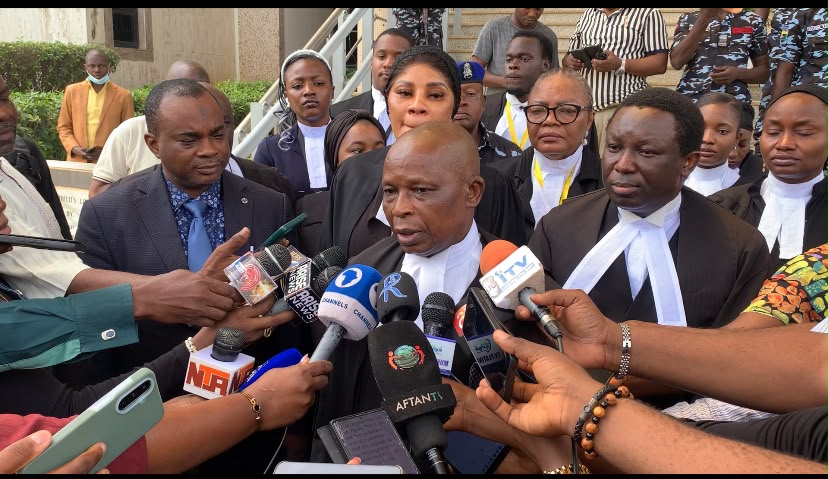
Attorney-General of the Federation and Minister of Justice, Lateef Fagbemi, disclosed the figures while briefing journalists on the progress of the proceedings, which commenced on October 15.
According to figures attributed to the minister, 880 cases have been handled so far, with 623 defendants convicted and 27 cases discharged. He also reported that seven defendants had entered pleas.

The latest proceedings are being conducted simultaneously before eight Federal High Court judges in different courtrooms within the Abuja court complex.
The judges include Binta Nyako, James Omotosho, Salim Ibrahim, Emeka Nwite, Obiora Egwuatu, Hauwa Yilwa, Joyce Abdulmalik and Peter Lifu.
The exercise forms part of the Federal Government’s continuing efforts to address outstanding terrorism-related cases and reduce delays in criminal prosecutions.
Fagbemi commended the judiciary, prosecution and defence lawyers, security agencies and other stakeholders for their contributions to the proceedings.
He also addressed concerns about restrictions on journalists seeking access to the courtrooms, explaining that security measures were necessary because of the sensitive nature of the cases.
The minister maintained that the restrictions were not intended to prevent public scrutiny and acknowledged the media’s role in promoting transparency in the administration of justice.
He further emphasised the importance of legal representation, rehabilitation and deradicalisation programmes for eligible individuals.
The current proceedings follow earlier mass trials conducted in April and June 2026.

In April, the Federal Government recorded 386 convictions from 508 cases, alongside eight discharges and two acquittals.
The June exercise subsequently produced approximately 479 convictions, according to previously published government figures.
However, the mass-trial process has attracted scrutiny from human rights organisations over fair-trial protections, the quality of evidence and the prosecution of individuals accused of relatively minor supporting roles.
Human Rights Watch previously raised concerns about aspects of the April and June proceedings, while government prosecutors maintained that cases were brought following investigations and consideration of available evidence.
Fagbemi said a comprehensive report on the latest exercise would be released after the proceedings conclude.
The reported conviction figures remain subject to confirmation through the final official breakdown of cases and judicial outcomes.