RismadarVoice Reporters, August 31, 2026
Energy experts and legal analysts have raised concerns over the transparency and legality of a major oil agreement between the United States and Venezuela, calling on both governments to release more details about the contract.
The long-term deal, announced by U.S. President Donald Trump and confirmed by Venezuela’s interim President Delcy Rodriguez, is expected to give the United States access to oil production from 17 Venezuelan oil fields.
The agreement reportedly involves up to 65 billion barrels of recoverable oil reserves, a figure larger than the United States’ total proven oil reserves estimated at 46 billion barrels.
However, analysts and lawyers have questioned the process through which the agreement was negotiated, noting that it was reached without a competitive bidding process and remained undisclosed until its announcement.

The deal is expected to involve a partnership structure in which the United States would hold a 55% stake, although Washington has not revealed which private companies would operate the oil fields.
Luisa Palacios, an energy policy researcher at Columbia University’s Centre on Global Energy Policy, said concerns remained over whether the agreement could strengthen or weaken Venezuela’s investment environment.
Venezuelan authorities said the partnership would last for at least 25 years, in line with the country’s hydrocarbons law, and could attract about $100 billion in investment while generating billions of dollars in royalties and taxes.
Despite the projected economic benefits, some legal experts questioned whether the agreement could face future legal challenges, particularly because the United States is expected to influence the selection of operating companies.
Juan Carlos Apitz, head of the law faculty at Central University of Venezuela, said the agreement could potentially be challenged in court despite being recognised by Washington.
Analysts also raised concerns over Venezuela’s expected tax revenue from the deal, with some arguing that the announced figures appear lower than what existing laws require.
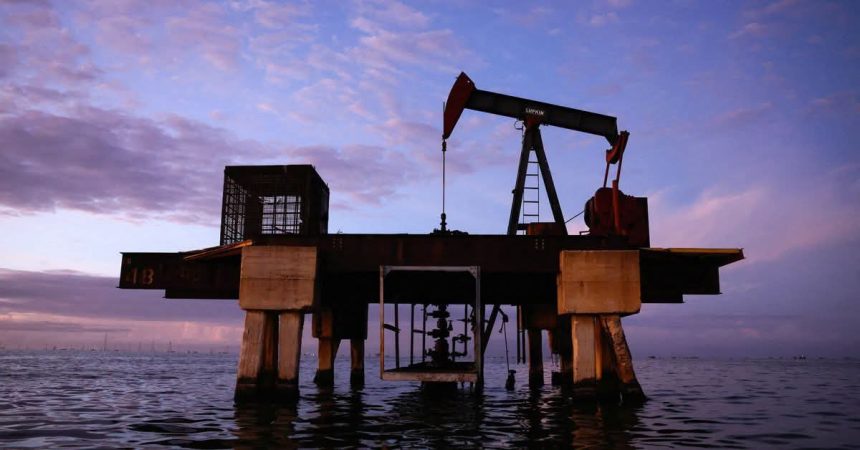
The oil reserves involved in the agreement are located mainly in Venezuela’s Orinoco Belt, the country’s largest oil-producing region, as well as areas around Lake Maracaibo.
A Caracas-based energy consultancy estimated that the fields contain about 63.7 billion barrels of proven reserves based on a technically achievable recovery rate.

Experts said developing the reserves fully could take more than 25 years, but the agreement could provide the United States with additional access to Venezuelan crude exports as production infrastructure is restored.
The deal comes amid rising pressure on global energy markets, with Washington seeking additional oil supplies as geopolitical tensions and conflicts affect energy prices and strategic reserves.
President Trump has said Venezuelan oil supplies could help replenish the U.S. Strategic Petroleum Reserve, which has fallen close to a four-decade low.