RismadarVoice Reporters
September 22, 2026
The Benue State Government has reaffirmed its commitment to supporting persons with disabilities and expanding their access to opportunities, including meaningful participation in community development and decision-making.
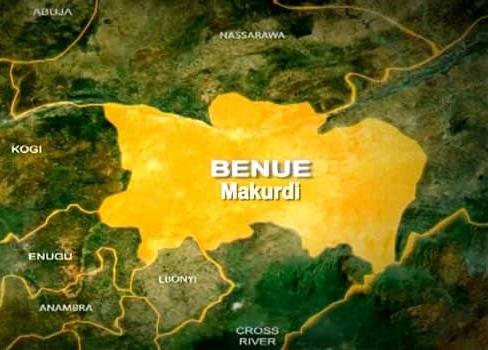
Commissioner for Women Affairs and Social Welfare, Mrs Theresa Ikwue, gave the assurance at a one-day multi-stakeholder dialogue on disability-inclusive participation in climate governance, negotiation and decision-making in Makurdi.
The programme was organised by Hope Alive Possibilities Initiative, HAPI, with support from the Disability Rights Fund.
Represented by a director in the ministry, Mrs Magdalene Andoor, the commissioner said the government remained open to partnerships and interventions aimed at improving the inclusion and welfare of persons with disabilities.
“Our ministry is open to dialogue, inclusion and needed partnership to promote people with disabilities,” Ikwue said.
“Today’s dialogue is timely because the disability community is a community that the ministry works closely with. Therefore, we are fully supporting what HAPI is doing in the state.”

She commended HAPI for convening the dialogue and urged relevant stakeholders to pay particular attention to the needs of women and girls with disabilities.
Earlier, HAPI Executive Director, Aver Akighir, said climate-related emergencies could create additional barriers for persons with disabilities, particularly when emergency information, shelters and recovery programmes are not designed to accommodate different accessibility needs.
She cited examples including early-warning messages that may be inaccessible to people who are deaf and emergency shelters that may present difficulties for wheelchair users.
Akighir urged governments, civil society organisations and Organisations of Persons with Disabilities to move beyond consultation towards greater participation in climate-related decisions.
“With the support of the Disability Rights Fund, HAPI is proud to convene this conversation because we believe that climate action cannot truly be inclusive if persons with disabilities are left behind,” she said.
She also pointed to Nigeria’s Discrimination Against Persons with Disabilities (Prohibition) Act, 2018, and the country’s obligations under the United Nations Convention on the Rights of Persons with Disabilities.
Akighir said the existence of laws and policies must be matched by practical participation of persons with disabilities in decisions affecting them.
“The question is no longer whether persons with disabilities should be included in climate governance. The question is: Are we giving them a real seat at the table?” she asked.
She also raised questions about disability inclusion in climate policies, budgets, early-warning systems and decision-making processes.

In a goodwill message, the State Coordinator of Civil Society Organisation, Zone B, Blessing Adzege, called for persons with disabilities to be given opportunities not only to attend meetings but also to contribute to and influence decisions throughout the policy process.
Represented by Mr Moses Makere, Adzege said the effects of climate change are not experienced equally, with persons with disabilities, women, girls and other vulnerable groups facing additional barriers in accessing information, resources and services.
“It is therefore important that climate policies and programmes are not only designed for communities but are developed with the meaningful participation of the people most affected,” she said.
Adzege reaffirmed the commitment of civil society organisations in Benue State to disability rights, gender equality, citizen participation and accountable climate governance.