

By Micah Jonah
January 9, 2026
European Union ambassadors have given a provisional nod to the bloc’s largest ever free trade agreement, paving the way for tariff free trade with the Mercosur group of South American countries after 25 years of negotiations.
The agreement, backed on Friday by representatives of EU member states, covers trade with Argentina, Brazil, Paraguay and Uruguay. It marks the end of talks that began a quarter of a century ago and represents the EU’s biggest deal in terms of erased tariffs.
The European Commission, which concluded negotiations on the accord last year, says the deal is critical to opening new markets as the bloc seeks to offset losses from United States tariffs, reduce its reliance on China for critical minerals. Major EU economies including Germany and Spain support the agreement.
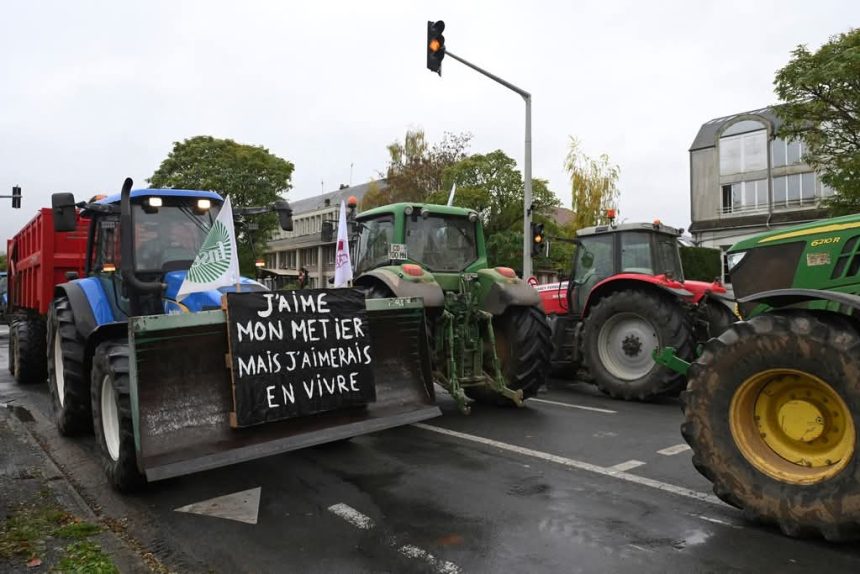
However, the deal has faced strong opposition, led by France, the EU’s largest agricultural producer. Critics warn it will increase imports of cheaper food products such as beef, poultry and sugar, potentially undercutting European farmers. Protests by farmers have intensified across the bloc, with highways blocked in France, Belgium and demonstrations held in Poland.
Diplomats said at least 15 EU countries, representing 65 percent of the bloc’s population, voted in favour of the deal, meeting the threshold required for approval. Member states were given until Friday evening to formally confirm their positions in writing.
The vote clears the way for European Commission President, Ursula von der Leyen to sign the agreement with Mercosur partners, possibly as early as next week. The European Parliament must still approve the accord before it can take effect.
Trade between the EU and Mercosur was valued at about 111 billion euros in 2024. The agreement would eliminate around 4 billion euros in duties on EU exports, including car parts, dairy products and wine. EU exports are largely made up of machinery, chemicals and transport equipment, while Mercosur exports focus on agricultural goods, minerals, pulp and paper.
To address concerns from sceptical member states, the Commission introduced safeguards allowing imports of sensitive farm products to be suspended, strengthened pesticide controls, created a crisis fund, boosted farmer support and pledged to cut fertilizer import duties. These measures helped sway Italy in favour of the deal, though France and Poland remain opposed.
France’s agriculture minister has vowed to push for rejection when the agreement reaches the European Parliament, where the vote is expected to be closely contested. Germany welcomed the decision, calling it an important signal in favour of openness and new global partnerships.
Environmental groups have also criticized the deal, with campaigners warning it could undermine climate protections, environmental standards.