RismadarVoice Reporters
November 12, 2026
Iran has expressed readiness to negotiate an end to its prolonged confrontation with the United States, but disagreements over sanctions, military operations and control of the Strait of Hormuz continue to obstruct a lasting settlement.
Iranian Parliament Speaker and chief negotiator Mohammad Bagher Ghalibaf told Al Jazeera that Tehran wanted to end the current situation of neither full-scale war nor lasting peace.
He maintained that Washington must respond to Iran’s conditions before negotiations could resume.
Tehran’s demands include lifting the American naval blockade on Iranian ports, easing economic sanctions, releasing frozen Iranian funds and formally ending hostilities.

Ghalibaf said the conditions were consistent with understandings reached during earlier negotiations in Islamabad.
However, US Secretary of State Marco Rubio has described Iran’s demands as unacceptable, while Washington continues to apply economic and military pressure.
President Donald Trump previously suggested that diplomatic efforts were making progress following discussions with Qatari Prime Minister Sheikh Mohammed bin Abdulrahman Al Thani.
In a further development on Thursday, Trump said the United States did not need an agreement with Iran and indicated that the naval blockade would remain in place.
The conflicting positions have raised uncertainty over the prospects of a negotiated settlement.
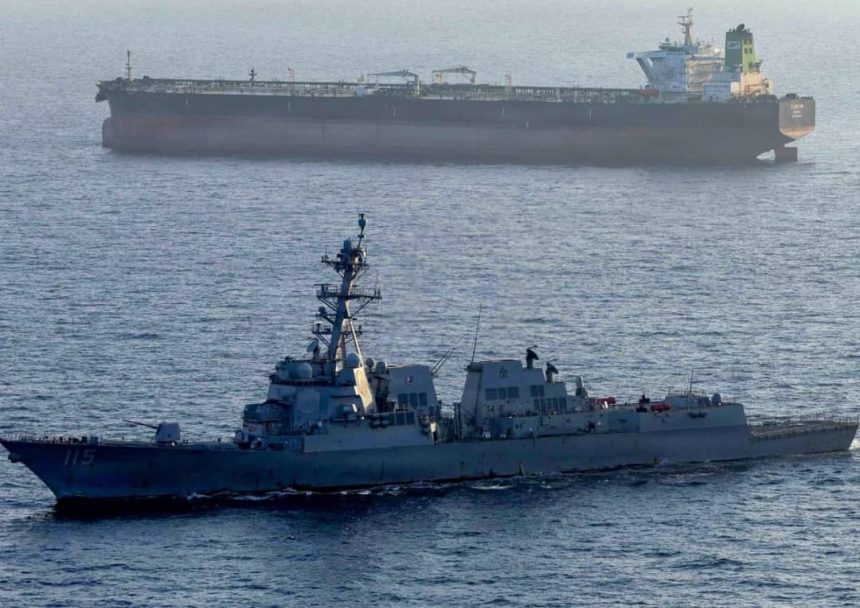
Meanwhile, tensions around the Strait of Hormuz have continued to disrupt international shipping.
Iran has sought to control shipping routes through the strategic waterway, which is vital to global energy supplies.
According to shipping intelligence firm Kpler, only five commodity vessels crossed the strait on November 7, while no crossings were recorded the following day.

Iran’s Islamic Revolutionary Guard Corps also claimed responsibility for attacks affecting oil tankers accused of travelling through unauthorised routes.
Reuters reported on Thursday that Iranian authorities claimed four tankers had been struck by explosions over two days, although the circumstances could not be independently verified.
Security analysts warned that continued economic pressure could increase the risk of renewed military confrontation.
Ali Vaez of the International Crisis Group argued that Washington and Tehran viewed the present stalemate differently, making the situation increasingly difficult to sustain.
Other analysts warned that renewed hostilities could threaten regional infrastructure, disrupt energy markets and draw neighbouring Gulf countries further into the conflict.
Qatar has continued diplomatic efforts aimed at narrowing differences between the two countries.
Despite these initiatives, no comprehensive peace agreement has been reached, leaving the future of negotiations and maritime security in the Gulf uncertain.