RismadarVoice Reporters
November 7, 2026
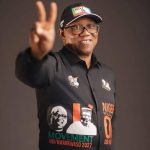
The Nigeria Democratic Congress (NDC) has responded to President Bola Tinubu’s criticism of Peter Obi over erosion in Anambra State, declaring that its presidential candidate and running mate, Rabiu Musa Kwankwaso, are focused on addressing what it described as the erosion of Nigeria’s commonwealth.
The party made its position known in a statement issued on Saturday by the spokesperson of its National Presidential Campaign Council, Dr Chiogo Constance Ikokwu.
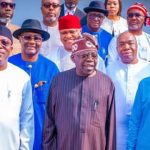
The response followed Tinubu’s remarks at an All Progressives Congress (APC) rally in Uyo, Akwa Ibom State, on Friday, where he accused Obi of failing to tackle erosion during his tenure as Anambra governor.
Tinubu contrasted Obi’s record with his own administration’s response to coastal challenges in Lagos, claiming he had confronted and tamed the Atlantic Ocean.

Responding, the NDC argued that Nigeria faced broader economic challenges requiring prudent financial management, accountability and sustainable development.
The opposition party questioned the benefits of fuel subsidy removal, citing continued government borrowing, rising debt-servicing obligations and inadequate funding for healthcare and education.
It maintained that increased government revenue should translate into measurable improvements in public services and citizens’ living standards.
The NDC also compared the financial records of Obi and Tinubu during their respective governorships.
According to the party, Obi left investments and other assets valued at approximately $500 million when he completed his tenure in 2014, including $156 million in dollar-denominated bonds.
It contrasted this claim with an external debt figure of approximately $190.43 million, which it attributed to Lagos State at the end of Tinubu’s tenure in 2007.
The party further criticised the pension arrangements established for former Lagos governors and their deputies, describing the benefits as excessive.

Defending Obi’s environmental record, the NDC said his administration supported erosion-control initiatives, drainage infrastructure and the World Bank-assisted Nigeria Erosion and Watershed Management Project.
It also cited projects in Adazi Nnukwu, Amawbia and Umuoji as examples of interventions undertaken during his administration.
The party called for greater accountability in government borrowing and public expenditure, arguing that economic policies should deliver tangible benefits to Nigerians.
The financial comparisons and claims about past administrations remain the NDC’s assertions and require assessment against official records.
The exchange reflects growing political disagreements over economic management and governance records ahead of the 2027 presidential election.