RismadarVoice Reporters
October 8, 2026
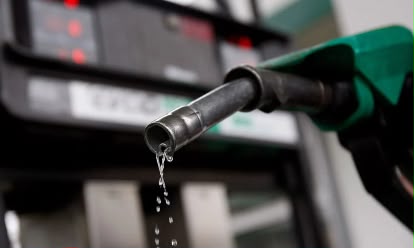
The Federal Government of Nigeria has announced plans to introduce a petrol price stabilisation arrangement that would place a ceiling of ₦1,350 per litre on the ex-gantry or landing cost of Premium Motor Spirit (PMS).
The Minister of Finance and Coordinating Minister of the Economy, Taiwo Oyedele, disclosed the proposal during a press briefing on Thursday in Abuja.
Oyedele explained that the proposed arrangement, described as price modulation, was designed to protect the domestic petroleum market against sudden fluctuations in international oil prices.
He maintained that the initiative would not amount to the reintroduction of fuel subsidy or direct government control of petrol prices.
Under the proposed framework, the Federal Government would negotiate a maximum ex-gantry or landing cost of ₦1,350 per litre with petroleum refiners and importers.
Where production or importation costs exceed the agreed ceiling, participating refiners and importers would initially absorb the difference, with provisions for recovering the additional costs subsequently.

The minister said the arrangement was intended to provide greater stability in petroleum pricing while reducing the immediate impact of international market volatility.
He also announced plans to introduce forward sales of crude oil to domestic refineries.
According to Oyedele, the proposed crude supply arrangement would enable local refiners to plan their operations more effectively and improve predictability in production costs.
The government believes the combined measures could help moderate fluctuations in petrol prices and strengthen domestic refining operations.
However, the proposed ₦1,350 ceiling applies to the ex-gantry or landing cost rather than necessarily representing the final retail pump price paid by motorists.

Further details are expected on the implementation timeline, participating refiners and importers, and the mechanism through which additional costs would be recovered.
The announcement comes amid continuing public concern over petrol prices and their effects on transportation, household expenditure and business operating costs across Nigeria.