RismadarVoice Reporters
September 28, 2026
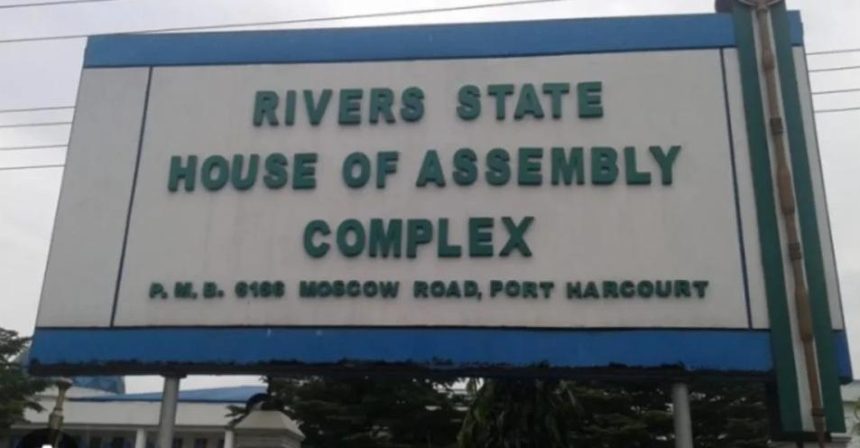
The Rivers State House of Assembly has endorsed the proposed constitutional amendment seeking to establish state police services across Nigeria.
The lawmakers backed the proposal during proceedings on Monday as state legislatures continued consideration of the Constitution of the Federal Republic of Nigeria, 1999 (Sixth Alteration) Bill, 2026.
The National Assembly transmitted the bill to the 36 state Houses of Assembly on September 16 as part of the constitutional amendment process.

The proposed amendment seeks to establish a dual policing structure comprising the Federal Police Service and State Police Services.
Under the proposal, states would have constitutionally recognised police services operating within a broader framework covering administration, oversight, accountability and coordination between federal and state authorities.
The proposal follows years of debate over whether Nigeria should decentralise its policing system, with supporters arguing that state-level policing could improve responses to local security challenges.
Critics and some security experts have, however, raised concerns about possible political interference, funding, recruitment standards and the potential misuse of state police by governors or other political authorities.
The Federal Government has said the proposed framework will include safeguards relating to professional standards, accountability and human rights.
Rivers State’s endorsement does not by itself establish state police.
Under Section 9 of the Constitution, the amendment must receive approval through resolutions of at least two-thirds of Nigeria’s 36 state Houses of Assembly, meaning at least 24 states must support it before the constitutional process can advance.
The National Assembly had earlier approved the amendment, with the Senate passing the proposal in June and the House of Representatives approving the executive-sponsored version in July.

The Federal Government has also begun preparing a separate National Policing Bill intended to provide the operational framework for the proposed system if the constitutional amendment is completed.
The proposed legislation is expected to address issues including minimum policing standards, state readiness, federal-state coordination, accountability, human rights safeguards and funding requirements.
Rivers now joins other state legislatures considering the proposal as the constitutional amendment process moves through the states.
The resolutions adopted by the various Houses of Assembly will ultimately determine whether the proposal secures the minimum 24-state threshold required to advance.