RismadarVoice Reporters
September 10, 2026
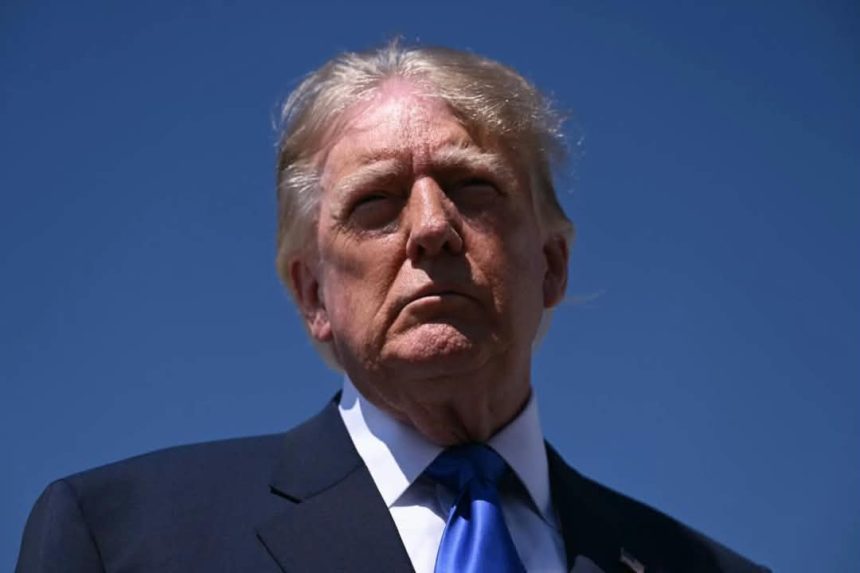
US President Donald Trump’s ongoing war with Iran is becoming a major political challenge ahead of the November midterm elections, as the prolonged conflict continues to fuel economic concerns and weigh on public sentiment.
Trump has said the seven-month war with Iran would end “immediately after” the US midterm elections, accusing Tehran of attempting to influence the vote. The president claimed Iran was seeking to prolong the conflict to affect the outcome of the congressional elections.
However, Iran has so far resisted sustained military pressure from the United States and Israel, including strikes targeting its military capabilities and economic measures aimed at weakening the country.

CONFIRMED DEVELOPMENTS
The conflict has increased pressure on the US economy, with fuel prices rising sharply. The national average price of petrol has climbed to $4.27 per gallon, according to the American Automobile Association, representing a significant increase compared with the previous year.
Economic concerns linked to higher energy costs and inflation have contributed to declining consumer confidence, with analysts warning that rising living expenses could influence voter decisions ahead of the November 3 congressional elections.
Trump’s approval ratings have also fallen from earlier levels following his return to office, with the Iran war and domestic economic issues becoming key areas of public debate.
Several Democratic leaders, including Senate Minority Leader Chuck Schumer, have called on the administration to end the conflict, while Republicans face pressure over the war’s financial and political consequences.

POLITICAL ANALYSIS
Political analysts say the issue may not necessarily drive Republican supporters toward the Democratic Party but could affect voter turnout if some Republican voters become less motivated to participate.
H.A. Hellyer, an international policy analyst at the Centre for American Progress, said the political challenge for Republicans could be a failure to energise their base rather than a major shift of support toward Democrats.
“The question really is one of voter turnout,” Hellyer said, adding that economic issues such as fuel prices and inflation could play a bigger role in shaping voter behaviour than foreign policy.
Experts also noted that Iran’s strategy appears focused on surviving the conflict long enough to secure diplomatic leverage, rather than achieving a conventional military victory.

Sanam Vakil, director of the Middle East and North Africa programme at Chatham House, said Iran’s objective could be to demonstrate that it still can disrupt regional stability and influence negotiations.
“For Iran, victory is about surviving long enough to extract a serious diplomatic undertaking from its opponents that it won’t be attacked,” Vakil said.
As the midterm elections approach, the conflict has placed both the Trump administration and Iran under increasing pressure, with the outcome likely to depend on military developments, economic conditions and voter sentiment in the United States.