RismadarVoice Reporters
September 6, 2026
Iran’s influence over the strategically important Strait of Hormuz is facing increasing pressure as tougher United States sanctions and economic measures begin to weigh heavily on Tehran’s finances, according to regional sources and analysts.
Six months after a conflict that raised concerns of a wider Gulf confrontation, Washington’s economic campaign against Iran has intensified, with measures aimed at reducing the country’s oil revenues, limiting access to foreign currency and restricting international trade.
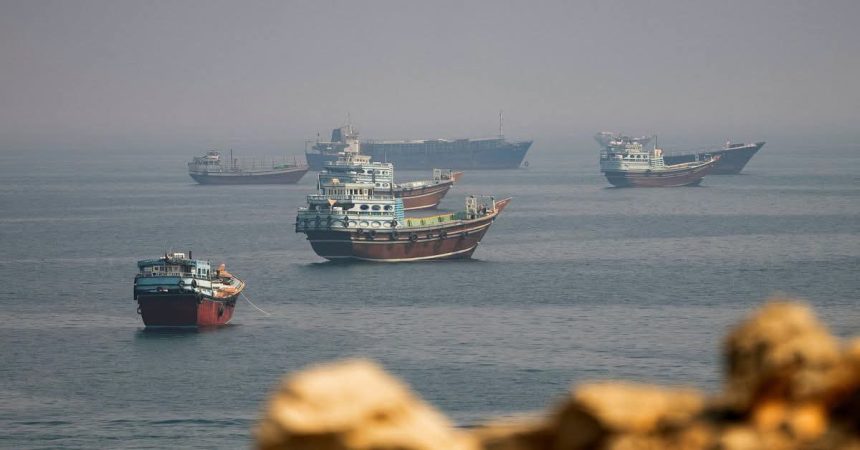
The Strait of Hormuz, a critical shipping route through which a significant share of global oil and liquefied natural gas supplies passes, has remained at the centre of the dispute between Iran and the United States.
US and regional officials believe sustained economic pressure could push Tehran towards allowing unrestricted passage through the waterway, arguing that Iran has suffered greater economic consequences than the disruption it has caused.

Iranian analyst Arash Azizi said Tehran’s ability to use the Strait of Hormuz as economic leverage had declined because attempts to create a major global energy shock had not produced the expected impact.
“The balance of power has tilted against Iran a bit,” Azizi said, adding that international markets had adapted and alternative energy supplies had continued to flow.
Despite mounting economic difficulties, Iran has shown little indication that it is ready to abandon its demands, including sanctions relief, access to frozen assets and recognition of its security role in the region.
Three Iranian sources acknowledged that the latest US measures were creating significant challenges by restricting access to foreign currency, imports and global financial networks that have supported the economy.
The pressure has contributed to concerns over rising prices, weakened trade and possible shortages of essential goods, including fuel and wheat.
US officials have described the strategy as a combination of economic sanctions and military pressure designed to force Tehran into changing its position. Some American and regional officials believe worsening economic conditions could increase domestic pressure on Iran’s leadership.
However, analysts remain divided over whether economic pressure alone can force political concessions from Tehran.
Former US negotiator Dennis Ross said Iran’s history of enduring sanctions suggested that the country’s leadership could continue absorbing economic difficulties rather than compromise.
“The Iranians have consistently surprised us in terms of their resiliency,” Ross said, arguing that economic hardship does not automatically translate into political change.

Experts also noted that public reaction inside Iran would play a key role in determining the impact of the pressure campaign, as national unity and concerns over foreign intervention could influence public tolerance.
The standoff between Washington and Tehran remains unresolved, with both sides weighing their next moves. Analysts say a possible agreement could involve arrangements over shipping through the Strait of Hormuz, allowing Iran to maintain a role in maritime security while reducing tensions.
The central question remains whether economic pressure will be strong enough to push Iran towards compromise or whether Tehran will continue to withstand the measures and maintain its current position.