


RismadarVoice Reporters, September 2, 2026
A handgun recovered from Lake Annecy by British tourists could provide a breakthrough in the investigation into the 2012 killings of a British-Iraqi family and a French cyclist in the French Alps.
The weapon, discovered on August 29 beneath the surface of the lake, is reportedly a Luger P06, the same type of pistol investigators believe was used in the deadly shooting near Chevaline 14 years ago.
French investigators are now conducting forensic and ballistic examinations to determine whether the newly recovered firearm is connected to the unsolved murders.
The victims were Saad al-Hilli, 50, his wife, Iqbal, 47, her mother, Suihaila al-Allaf, 74, and French cyclist Sylvain Mollier, 45.

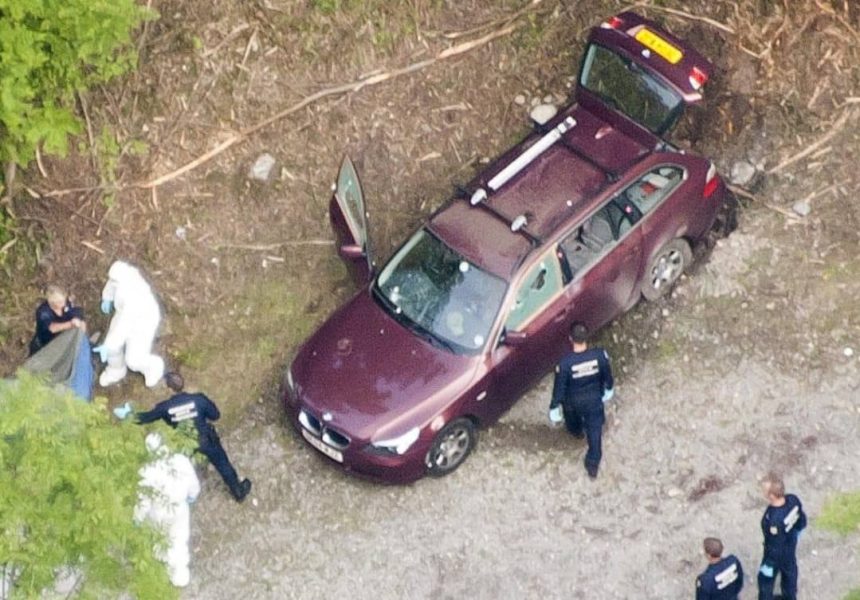
They were found dead on September 5, 2012, beside a BMW at a secluded roadside area near Chevaline.
Investigators believe the gunman fired about 21 rounds at the vehicle and its occupants. Al-Hilli’s eldest daughter, Zainab, who was seven at the time, was also struck with the firearm but survived. Her four-year-old sister, Zeena, survived after hiding beneath the body of her mother.
The pistol used in the attack was never recovered despite years of investigation involving hundreds of witnesses and extensive surveillance footage.
The British tourists who discovered the newly recovered weapon initially believed it was a toy or water gun because of its heavily corroded condition.
They later realised it appeared to be a Luger pistol and handed it over to French authorities.
Marie-Céline Lawrysz, deputy prosecutor involved in the investigation, confirmed that the weapon had been transferred to the Chambéry criminal investigation department for examination.

She said investigators were working to establish whether the firearm was the same weapon used in the Chevaline killings.
According to Lawrysz, the condition of the gun could affect how quickly investigators obtain definitive results because it had been submerged in the lake for an unknown period.
The firearm is expected to undergo detailed forensic analysis, including examination for ballistic evidence that could connect it to the ammunition and shooting scene from 2012.
The Chevaline killings have generated numerous theories over the years, but investigators have never established a clear motive or identified a definitive suspect.
One line of inquiry has focused on the type of weapon used, with detectives previously suggesting that an older handgun would be less reliable and therefore less likely to be the preferred weapon of a professional killer.
However, firearms experts consulted during the investigation have suggested that the controlled and methodical nature of the attack could indicate that the gunman had military or specialist firearms training.
Some theories have even linked the killings to a possible member of an elite Swiss police unit, although no such connection has been established.
Investigators in France, Britain and Iraq have pursued various leads since the murders, but none has conclusively explained why the family and Mollier were targeted.

The discovery of the Luger in Lake Annecy has therefore renewed attention on one of France’s most enduring unsolved murder cases.
Authorities are now awaiting the results of the forensic examination to determine whether the weapon can finally provide the evidence needed to reopen a crucial chapter in the 14-year-old investigation.