


RismadarVoice Reporters, August 30, 2026
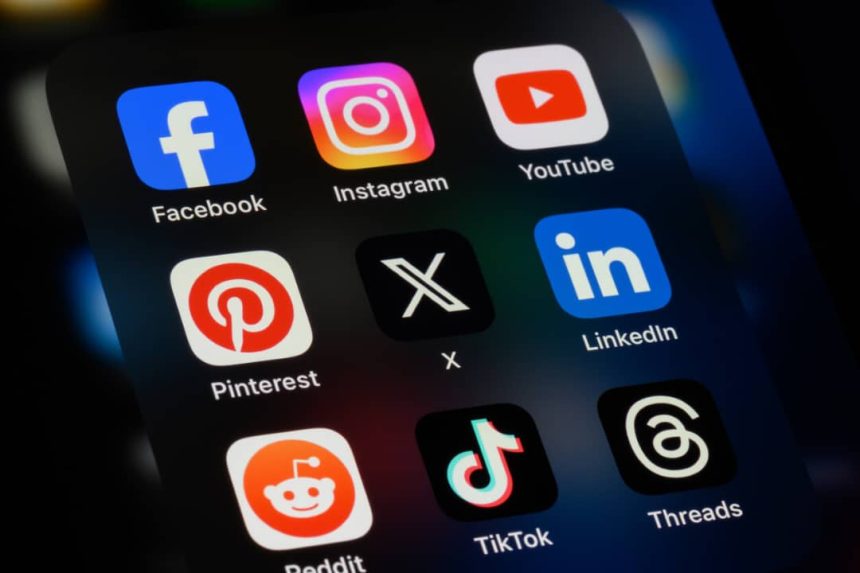
The growing dependence on smartphones and social media platforms has led researchers to identify a range of new digital behaviours, including doomscrolling, nomophobia and FOMO, which are being studied for their impact on mental health, sleep and daily life.
Experts say smartphones and digital platforms should not be viewed as harmful by themselves, as they provide important benefits for communication, education and access to information. However, concerns arise when usage becomes difficult to control and begins to affect sleep, work, studies, relationships or physical activity.
DOOMSCROLLING: THE ENDLESS SEARCH THROUGH NEGATIVE NEWS
Doomscrolling refers to the repeated consumption of negative or distressing information online, including reports about conflicts, disasters, crises and other troubling events.
Researchers say the behaviour can create a cycle where people continue searching for information in an attempt to feel prepared, but instead experience increased anxiety and stress. Doomscrolling is not currently recognised as an independent medical diagnosis but is being studied as part of problematic online behaviour.

NOMOPHOBIA: FEAR OF LOSING PHONE ACCESS
Nomophobia, derived from “no mobile phone phobia”, describes anxiety or discomfort associated with being without a smartphone, losing connection or being unable to access digital information.
Although it is not an official standalone diagnosis, researchers have examined its links with other problematic digital behaviours, including social media overuse and anxiety-related symptoms.
FOMO: THE FEAR OF MISSING OUT
FOMO, or “Fear Of Missing Out,” describes the feeling that something important may be happening online without a person’s knowledge.
The phenomenon often drives repeated checking of messaging apps, social media platforms and news feeds, even when there is no immediate need to do so. Researchers say FOMO is not a psychiatric disorder but is associated with problematic social media use and emotional regulation challenges.
SOCIAL MEDIA ADDICTION AND LOSS OF CONTROL
Social media addiction, sometimes referred to by researchers as problematic social media use, is not currently classified as an independent diagnosis in major international health classifications.
However, researchers identify warning signs such as inability to reduce usage, spending more time online than intended, neglecting responsibilities, feeling distressed when unable to access platforms, and continuing use despite negative consequences.
A World Health Organisation-backed survey involving nearly 280,000 young people across 44 countries and regions found that 11 per cent of adolescents showed signs of problematic social media use, compared with 7 per cent in 2018.
WHEN DOES SMARTPHONE USE BECOME A PROBLEM?
Experts say the key issue is not simply the number of hours spent on a device, but whether users remain in control of their behaviour.
Warning signs include difficulty stopping, reduced sleep, declining productivity, withdrawal from relationships and reduced physical activity.

European regulators have also raised concerns about platform designs that encourage prolonged engagement. The European Commission has investigated features such as infinite scrolling, autoplay and personalised recommendations on platforms including Instagram and Facebook over concerns about possible addictive effects.
THE DIGITAL BALANCE
Researchers caution against treating every frequent smartphone habit as an addiction. Using social media, watching videos or playing games does not automatically indicate a disorder.
The main concern is whether technology begins to interfere with everyday responsibilities and personal wellbeing.
As digital platforms continue to evolve, researchers say the challenge will be finding a balance between benefiting from technology and preventing unhealthy patterns of use.