RismadarVoice Reporters, August 1, 2026
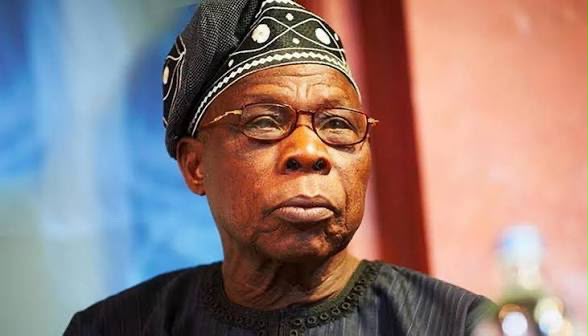
Former President Olusegun Obasanjo has described his decision to select former Vice President Atiku Abubakar as his running mate in the 1999 presidential election as the biggest mistake of his presidency.
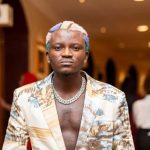
Obasanjo remarked on Friday in Lagos during a fireside conversation with veteran entertainer and activist Charles Oputa, popularly known as Charly Boy, at the public presentation of Oputa’s foundation and memoir, 999: A Memoir in Tribute to Late Justice Chukwudifu Oputa.
Responding to a question about the greatest mistake he made while in office, Obasanjo initially said that some potentially serious mistakes in his life had been prevented from causing greater harm.

When pressed to identify a specific decision, however, he pointed to his choice of vice president.
“The man I picked as my running mate, my number two. If I had known him as I came to know him later, I would not have picked him.”
When asked whether he was referring to Atiku, Obasanjo confirmed that he meant his former vice president.
The former President said that, with the benefit of hindsight, he would have chosen someone else, but maintained that he did not harbour personal bitterness towards Atiku.
“There’s no bitterness because he did what he believed he should do, and God did what God had to do,” Obasanjo said, adding that he was grateful that events did not ultimately prevent him from achieving his objectives for Nigeria.

Obasanjo and Atiku formed Nigeria’s first democratically elected presidential and vice-presidential team following the return to civilian rule in 1999. They governed together from 1999 to 2007 on the platform of the Peoples Democratic Party (PDP).
Their relationship, however, deteriorated significantly during Obasanjo’s second term, particularly over Atiku’s opposition to efforts by Obasanjo’s political allies to amend the Constitution and extend the President’s tenure beyond two terms.
The failed third-term bid in 2006 deepened the political conflict between the two men. Their dispute later resulted in legal battles after Atiku defected from the PDP to the Action Congress ahead of the 2007 election and Obasanjo declared his vice-presidential office vacant.
The Supreme Court subsequently ruled that the President lacked the constitutional authority to remove an elected vice president, allowing Atiku to complete his tenure.
Since leaving office, the two politicians have repeatedly exchanged accusations over corruption, political loyalty and the use of public office.
In his 2014 memoir, My Watch, Obasanjo accused Atiku of corruption and disloyalty, while Atiku rejected the allegations and accused his former principal of distorting the history of their administration.
The pair briefly reconciled ahead of the 2019 presidential election when Obasanjo endorsed Atiku’s bid against former President Muhammadu Buhari, but their rapprochement later collapsed.