RismadarVoice Reporters, June 20, 2026
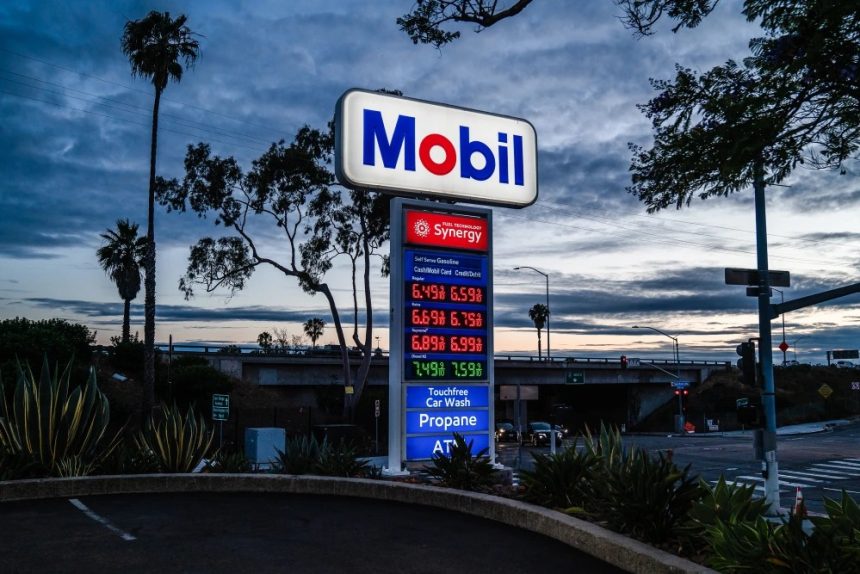
Americans are paying significantly more for gasoline than they were before the start of the war in Iran, with new estimates suggesting that higher fuel prices have added tens of billions of dollars to household expenses nationwide.
According to an analysis by Brown University, consumers have collectively spent about $33 billion more on gasoline since the conflict began. The increase reflects sustained rises in fuel prices over several months, affecting commuting, transportation and general living costs.
An accompanying NBC News analysis of data from the American Automobile Association (AAA) shows that the impact varies widely depending on how often drivers refuel and how much they consume. For some motorists, the added monthly burden is relatively small, while for others it can exceed several hundred dollars.

To help illustrate the personal cost of rising fuel prices, NBC News developed a calculator that estimates how much extra drivers have spent at the pump since late February, when the United States first conducted military strikes linked to the conflict in Iran.
The tool uses national average fuel price trends and user-input details such as tank size and refuelling frequency to simulate the additional cost over time.
Data from the U.S. Energy Information Administration shows that national gasoline prices have increased by roughly 34% since February. At one point in May, the average weekly price reached its highest level in nearly a decade, highlighting the scale of recent price volatility.
Economists note that even modest increases in per-gallon prices can translate into substantial added costs for households, especially for those who rely heavily on personal vehicles for daily transportation.
Some consumers are already adjusting their behaviour in response. Industry tracking data indicates a decline in visits to fuel stations, suggesting that drivers are either reducing travel or stretching the time between refills.

State-level trends also show uneven effects across the country. Some regions, including Wyoming, Utah and Wisconsin, have experienced particularly sharp increases in fuel costs since February, while others have seen more moderate changes.
In response to sustained price pressures, several state governments have considered temporary tax adjustments or relief measures aimed at easing the burden on consumers. However, broader federal intervention, including proposals to pause the gas tax, has not yet been implemented.
The NBC News calculator continues to update daily as new pricing data becomes available, offering consumers a way to measure how global events and market fluctuations are affecting their personal fuel expenses.