RismadarVoice Reporters, June 4, 2026
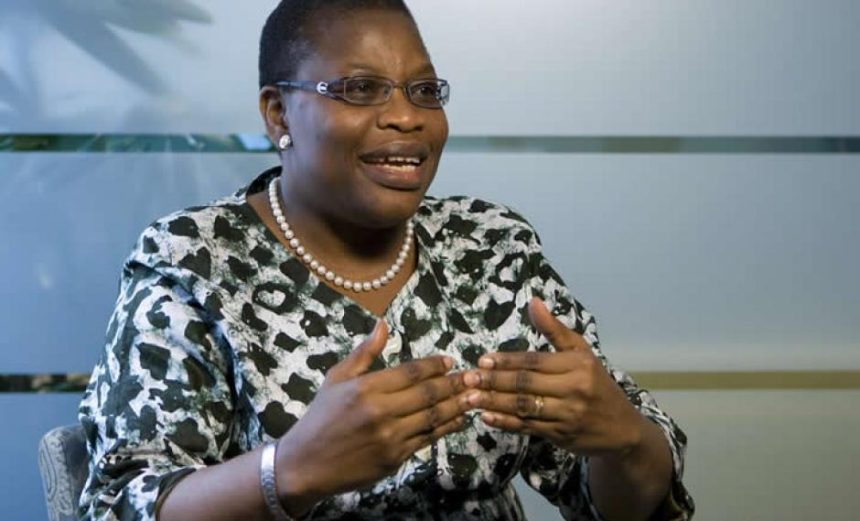
The Former Minister of Education, Dr Obiageli Ezekwesili, has come to the defence of Pastor Enoch Adeboye amid increasing public criticism, stating that the respected cleric should not be blamed for Nigeria’s deepening national challenges.
In a statement shared on her X account recently, Ezekwesili argued that although Nigerians have legitimate reasons to be frustrated over worsening economic conditions, insecurity, and poor governance, directing that anger at Adeboye misses the real issues confronting the country.

She noted that years of corruption, failed leadership, insecurity, and broken promises have fueled widespread public distrust, not only toward political leaders but also toward institutions and influential figures perceived to have the moral influence to challenge those in power.
According to her, many Nigerians now expect religious leaders to play a more active role in holding government officials accountable. However, she maintained that Adeboye has consistently demonstrated concern for the nation through prayers, public interventions, and calls for peace.
Ezekwesili described the General Overseer of the Redeemed Christian Church of God (RCCG) as a humble and devoted servant of God whose lifelong commitment has been centred on national unity, peace, and progress.
She also cautioned against the tendency to focus public attention on personalities rather than addressing the root causes of Nigeria’s problems.
Reflecting on Adeboye’s approach to criticism, Ezekwesili said the cleric has often responded to attacks with restraint and dignity, drawing from his spiritual convictions.
“Pastor E.A. Adeboye has consistently chosen the path of dignified silence in the face of criticism, guided by scriptural principles and spiritual wisdom,” she stated.
While acknowledging the growing public dissatisfaction across the country, Ezekwesili emphasised that the real concern should be the demand for accountable leadership rather than attacks on religious figures.
She said many Nigerians believe faith leaders should help steer the nation away from what they view as ineffective and self-serving governance, adding that this expectation lies at the heart of the current debate.

“The central issue is the desire for religious leaders to contribute to rescuing Nigeria from poor leadership and entrenched governance failures,” she said.
Ezekwesili said that the country’s energy should be directed toward confronting the systemic problems responsible for the nation’s struggles, rather than targeting individuals who are not directly responsible for them.