RismadarVoice Reporters, May 28, 2026
US President, Donald Trump has declared that the Strait of Hormuz will remain open to all nations and will not fall under the control of any single country as tensions surrounding the Iran conflict continue to escalate.
Speaking amid ongoing diplomatic efforts, Trump stated that there were no discussions about easing sanctions on Tehran under any future agreement, emphasising that freedom of navigation through the strategic waterway remains a top priority for Washington.

The White House also dismissed reports circulating in Iranian media claiming that a new peace proposal included a US military withdrawal from areas near Iran and a full restoration of commercial shipping through the Strait of Hormuz.
According to the White House, the reported draft agreement was a “total fabrication.”
Meanwhile, Iran’s Revolutionary Guard stated that a renewed direct war with the United States was unlikely, citing what it described as the “enemy’s weakness.” However, the group warned that Iran’s southern territories would become a “graveyard for aggressors” if attacked.
The latest developments come as regional tensions remain high following intensified Israeli operations in Lebanon and continued military activity linked to the broader Iran conflict.
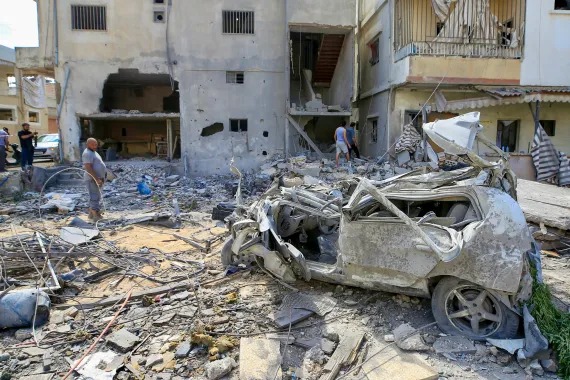
In Lebanon, residents were seen inspecting damage after Israeli air strikes hit parts of the southern port city of Tyre. Lebanese authorities say renewed hostilities between Israel and Hezbollah since March have resulted in thousands of casualties and widespread destruction.
The Strait of Hormuz, located between Iran and Oman, is one of the world’s most critical oil shipping routes, with a significant percentage of global energy exports passing through the narrow channel daily.

Global powers continue to monitor the situation closely amid fears that any disruption to the route could severely impact international oil markets and regional stability.