RismadarVoice Reporters
May 23, 2026
Iran has said it is reviewing a new peace proposal while accusing the United States of making “excessive demands,” even as diplomatic efforts and military tensions continue to escalate across the Middle East.
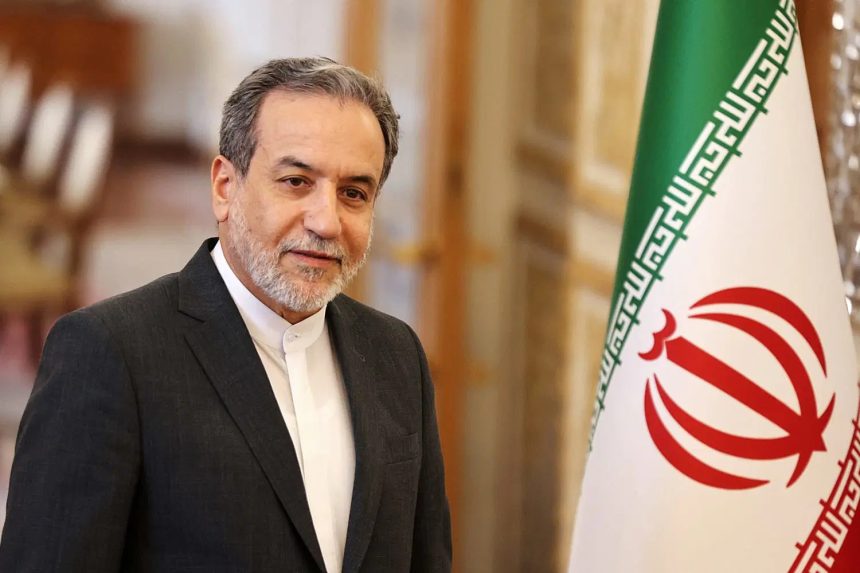
Tehran’s Foreign Minister, Abbas Araghchi, in a call with United Nations Secretary-General António Guterres, said Iran remains engaged in negotiations despite what it described as “repeated betrayals of diplomacy and military aggression” by Washington, according to Iranian officials.
Iranian media reports on Saturday said the government views the U.S. position as increasingly rigid, with unresolved disagreements still blocking a lasting settlement to the conflict that has destabilised key global shipping routes and energy markets.
The developments come amid reports in U.S. media that the White House is considering possible military strikes on Iran, though officials cited in those reports stressed that no final decision has been taken.
U.S. Secretary of State Marco Rubio said there had been “some progress” in talks but warned that Washington had “other options” if diplomacy fails.

“We’re dealing with a very difficult group of people. And if it doesn’t change, then the president has been clear he has other options,” Rubio said at a NATO-related meeting in Sweden.
The diplomatic uncertainty has been further heightened by the sudden movements of key regional actors, including the visit of Pakistan’s powerful army chief, General Asim Munir, to Tehran on Friday for high-level talks aimed at de-escalation.
Iran’s state news agency IRNA said the discussions focused on “preventing further escalation” and supporting ongoing mediation efforts, although Iranian officials cautioned that major disagreements remain unresolved.
Iranian Foreign Ministry spokesman Esmaeil Baqaei said the visit should not be interpreted as a breakthrough, noting that “big and extensive” differences persist between the parties involved.
He also confirmed that Qatar and other regional actors have joined diplomatic efforts to help prevent a wider regional war.
According to officials, Pakistan continues to play a central mediating role, with Prime Minister Shehbaz Sharif and Foreign Minister Ishaq Dar also engaging in parallel discussions during visits to China, Iran’s key trading partner.
At the heart of the dispute remains control and access to the Strait of Hormuz, a strategic waterway critical to global oil supply. Tensions around the strait have already disrupted global markets, with fears that any further escalation could deepen economic instability.
Iran has also raised concerns over what it described as a retaliatory U.S. blockade affecting Iranian ports, a development it says is part of broader “contradictory positions” from Washington.
Despite diplomatic engagement, military risks remain high. U.S. officials have repeatedly warned that further strikes could be considered if negotiations collapse.
At the same time, regional spillovers continue, with Lebanon remaining a secondary flashpoint. Israeli airstrikes in eastern and southern Lebanon have reportedly killed dozens in recent days, despite existing ceasefire arrangements, according to Lebanese authorities.
Iranian officials have insisted that any sustainable peace must include a halt to hostilities across all fronts, including Lebanon, where Tehran-backed Hezbollah has been engaged in ongoing clashes with Israel.

Global markets have reacted cautiously to the developments, with oil prices fluctuating amid concerns over potential disruption to supply routes through the Strait of Hormuz. While some investors have welcomed signs of diplomacy, uncertainty continues to weigh on global sentiment.
For now, Iran says it remains open to negotiations—but insists it will not accept what it calls “excessive demands,” leaving the path to a lasting agreement uncertain as geopolitical tensions continue to mount.