RismadarVoice Reporters, May 23, 2026
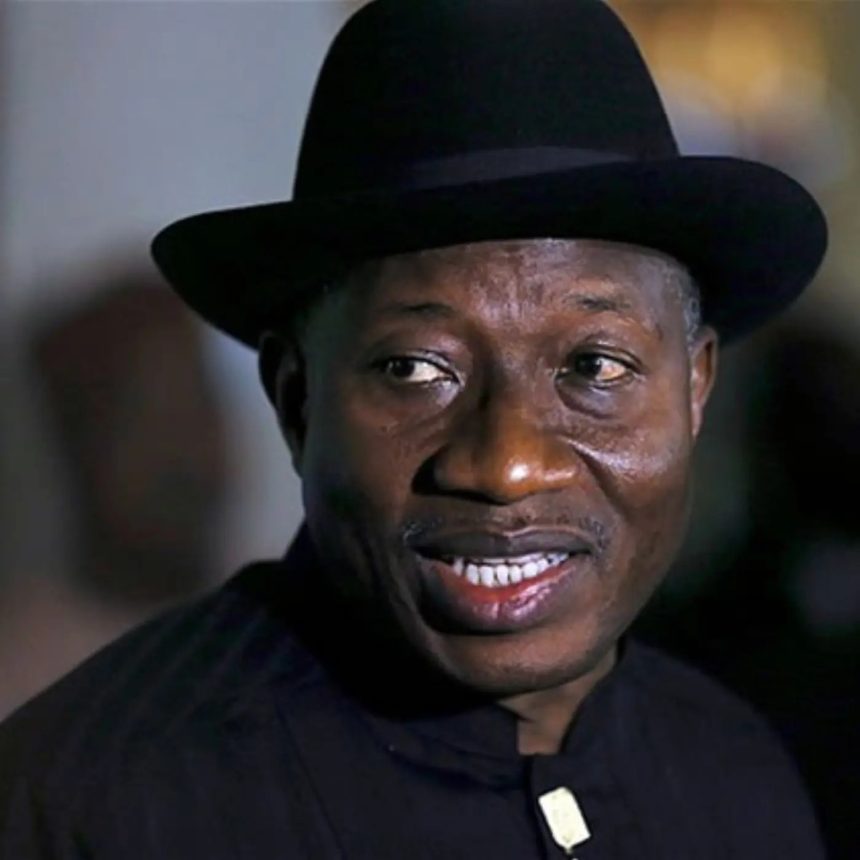
Political analysts have expressed divergent views over the possible return of former President Goodluck Jonathan to Nigeria’s political landscape, with growing debate surrounding his acceptability ahead of the 2027 presidential election.
The discussions follow reports that a faction of the Peoples Democratic Party (PDP), led by an interim leadership structure, had identified Jonathan as its preferred presidential candidate for the 2027 elections.
However, Jonathan’s camp has distanced itself from the development, insisting that the former president has neither declared interest in the race nor accepted any nomination.

His Special Adviser, Jude Imagwe, dismissed claims suggesting Jonathan had obtained nomination forms or accepted a waiver to contest.
“There is no suggested evidence that my boss has purchased or obtained any form,” Imagwe said.
He further maintained that any decision regarding a presidential ambition rests solely with Jonathan.
“It should not be announced for him. He decides to take,” he added.
As political conversations around the issue continue to gather momentum, analysts are offering contrasting perspectives on Jonathan’s potential prospects, particularly within Northern Nigeria.
Political analyst Kabiru Ojo argued that Jonathan may face significant challenges in securing support from the Northern political establishment due to regional dynamics, elite interests and concerns surrounding power rotation.
Speaking on the issue, Ojo said perceptions among ordinary citizens and political elites in the North could differ significantly.
According to him, some citizens facing economic hardship may look back on Jonathan’s administration with nostalgia, particularly in comparison with present economic conditions.
“For the common man in the North who only thinks about survival, many will tell you they prefer Jonathan’s time over the present administration because there was no hunger then,” he said.
However, he suggested that such sentiment could shift if a strong Northern candidate enters the race.
“If there is a Northern candidate, the average Northerner will not support Jonathan coming back,” Ojo argued.
He further claimed that sections of the Northern political elite may be reluctant to support Jonathan’s return because of concerns tied to political calculations and past electoral dynamics.

According to him, Jonathan’s possible emergence under the PDP platform could also reshape the political equation by creating stronger competition ahead of 2027.
He noted that the entry of multiple influential candidates could significantly alter voting patterns across regions.
Ojo also addressed ongoing conversations around zoning and power rotation, describing them as political arrangements designed to preserve national balance rather than constitutional requirements.
He argued that historical patterns of leadership distribution continue to influence current political debates.
However, another Kano-based analyst, Aminu Rabiu, offered a different assessment, suggesting that public perception of Jonathan has improved considerably in recent years.
Rabiu argued that the administrations that followed Jonathan have unintentionally reshaped how many Nigerians view his tenure.
“Without fear of contradiction, I can say that former President Goodluck Jonathan’s post-presidency image has greatly improved,” he said.
According to him, Jonathan was once criticised for perceived weaknesses in addressing corruption and insecurity, but subsequent developments have led some Nigerians to reassess his record.
Rabiu also highlighted Jonathan’s post-presidential engagements, including election observation missions and peace-building efforts across Africa, which he said had enhanced the former president’s reputation internationally.
He suggested that Jonathan could remain politically competitive under the right circumstances.
“If the contest could be Jonathan versus Tinubu, I believe the Northern electorate will go for the former,” he said.
Despite this, Rabiu maintained that Jonathan may have already completed his political journey, noting that the former president had spent significant years in leadership after assuming office in 2010 and later winning the election in 2011.
Meanwhile, legal uncertainty continues to surround the issue, as a Federal High Court in Abuja is expected to deliver judgment on May 26 in a case seeking clarification on Jonathan’s eligibility to contest the 2027 election.
The suit raises constitutional questions regarding whether Jonathan’s succession to the presidency in 2010 and his subsequent election in 2011 amount to two presidential terms.