RismadarVoice Reporters, May 18, 2026
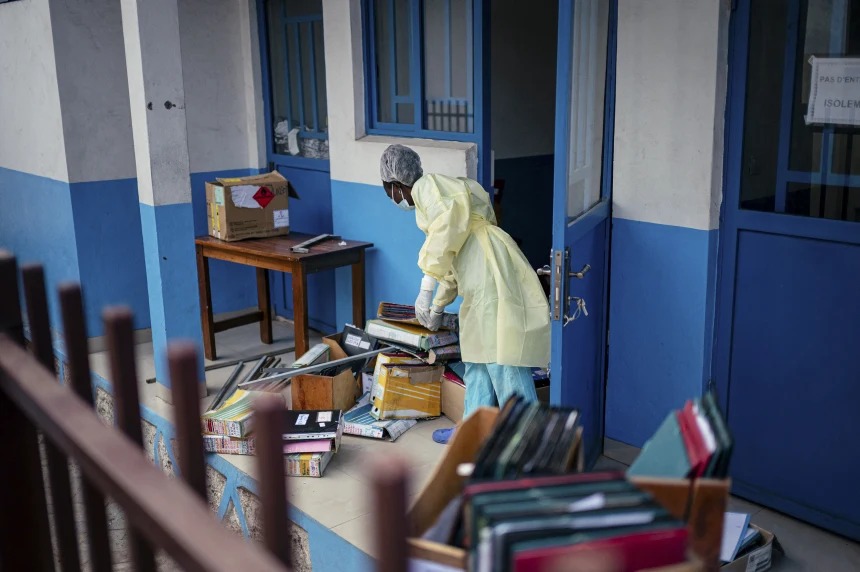
Global health authorities are intensifying efforts to contain a fresh Ebola outbreak in Central Africa following rising infections and deaths linked to the virus, with the United States also moving to relocate affected citizens from impacted areas.
The World Health Organisation (WHO) has declared the outbreak a Public Health Emergency of International Concern after more than 300 suspected infections and 88 suspected deaths were reported, mainly in the Democratic Republic of Congo and neighbouring Uganda.
Health officials, however, stated that while the likelihood of the outbreak developing into a global pandemic remains very low, the situation poses a significant threat to countries within the region.

The U.S. Centres for Disease Control and Prevention (CDC) disclosed that a small number of Americans directly affected by the outbreak were being withdrawn from impacted locations as a precautionary measure.
Authorities identified the outbreak as being caused by the Bundibugyo strain of the Ebola virus, a rare variant for which there are currently no approved vaccines or specific treatments.
Ebola spreads through direct contact with infected bodily fluids and is known for its high fatality rate, with symptoms including fever, vomiting, skin rash and severe weakness.
Health experts have expressed concern over the delayed detection of the outbreak, warning that this may have allowed wider transmission before emergency measures were activated.
Most reported cases have emerged from Congo’s eastern Ituri Province, but infections have also been detected in Kinshasa, the country’s capital, and across the border in Uganda, raising fears over the extent of its spread.
The situation has become more complicated due to ongoing security challenges in parts of eastern Congo, where armed conflict and displacement continue to affect humanitarian and health operations.

WHO said uncertainties remain regarding the actual number of infections and the geographical reach of the outbreak, prompting emergency deployment of health teams and medical supplies to affected areas.
International health agencies and humanitarian organisations, including Doctors Without Borders, have also begun expanding their response efforts amid concerns over the rapid rise in cases.
Medical responders warned that the combination of increasing infections, deaths and cross-border transmission requires urgent and coordinated action to prevent further escalation.