RismadarVoice Reporters, April 22, 2026
A prominent Nigerian cleric has sparked fresh debate over taxation, transparency, and public accountability after openly criticising what he described as a sharp increase in his personal income tax obligations.
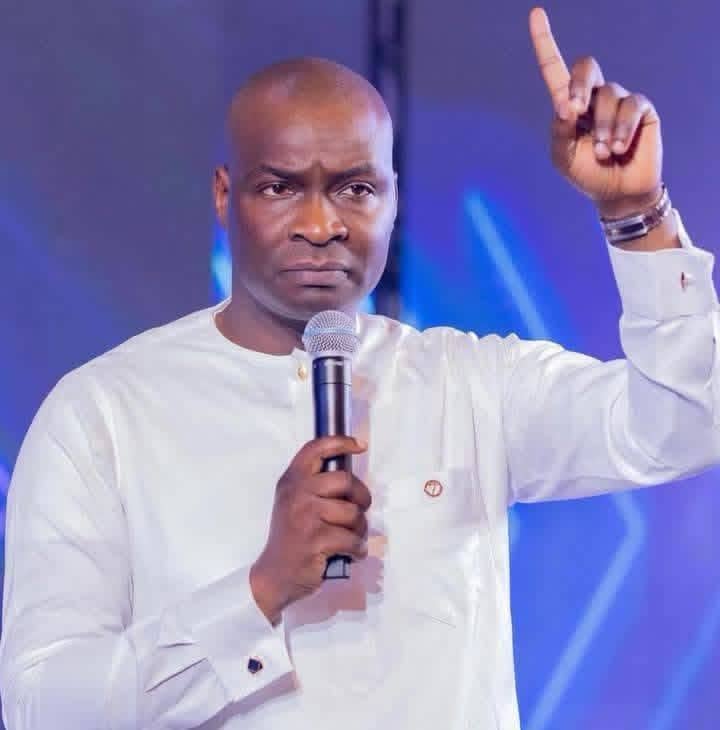
Johnson Suleman, founder of Omega Fire Ministries, said he was “very angry” after reviewing a new tax bill presented to him by his administrative team, highlighting what he called an unexplained rise in the figures.
In a widely circulated online video, the preacher responded to the common public perception that religious leaders are exempt from taxation. “People don’t know pastors pay tax. They think we don’t pay. Personal income tax,” he said, clarifying that while churches as institutions may not be taxed, individuals, including pastors, are liable under Nigerian law.

According to Suleman, the assessment was issued without prior consultation. “My tax man is there… they don’t consult me. They just drop the money there you should pay,” he said, adding that some clergy pay between ₦20 million and ₦40 million annually in personal income tax.
He further alleged that the increase was justified by tax officials based on his public visibility. “They watch you on TV, that you are happy… so you have money,” he said, dismissing the reasoning as arbitrary and disconnected from his actual earnings.
Beyond the figures, Suleman’s criticism extended to governance and service delivery. He argued that despite paying substantial taxes, citizens continue to face poor infrastructure and unreliable electricity. “You say I should not talk that there’s no light… there’s no road,” he said, voicing frustration over what he perceives as a lack of value for money.
Drawing comparisons with developed countries, the cleric noted that citizens abroad can seek compensation for damages caused by poor infrastructure, such as potholes. In Nigeria, he suggested, taxpayers bear the burden without adequate recourse.
While he ended his remarks on a lighter note, Suleman maintained a firm stance on accountability. “Once your money is in sums, are you not a stakeholder? I’ll pay millions… you didn’t do anything for me,” he said.

His comments have reignited conversations around tax compliance among high-income earners, the transparency of tax assessments, and the broader question of whether public services in Nigeria reflect the revenues collected.