By Micah Jonah, April 8, 2026
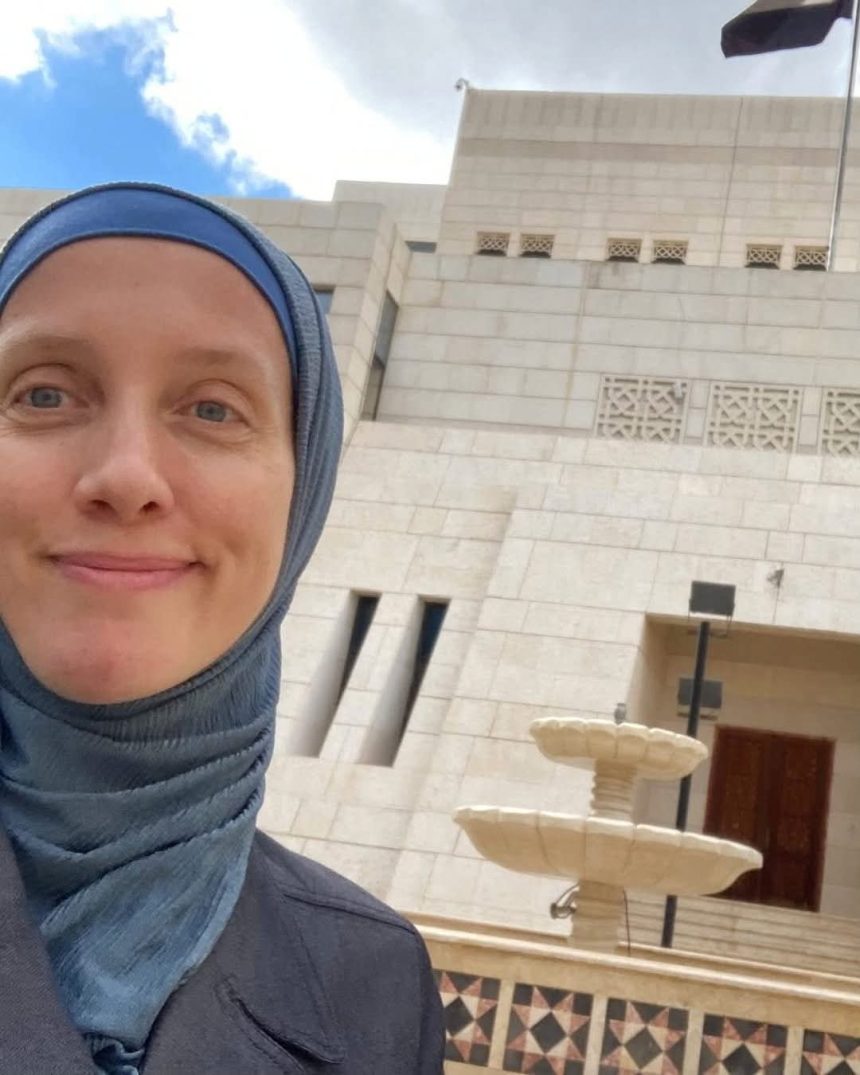
American journalist, Shelly Kittleson has been released after being held captive in Baghdad, Iraq, by the Iran-backed militia group Kataib Hezbollah. The group stipulated that Kittleson must leave Iraq immediately as a condition of her release.
The 49-year-old freelance reporter was first abducted on March 31 while covering events in the Iraqi capital. During her detention, she was reportedly held in a secure location in Baghdad, prompting international concern from press freedom and human rights organizations. Kataib Hezbollah cited “the national stances of the outgoing Prime Minister Mohammed Shia al-Sudani” as a factor in their decision, without providing additional details.
According to security sources, Kittleson’s release was part of an exchange for several Kataib Hezbollah members who had been imprisoned. A security official from the group warned that this “exceptional gesture” would not be repeated in the future.

Kittleson’s work for publications including Al-Monitor has been widely praised for its dedication to covering conflicts in the Middle East under challenging conditions. The Committee to Protect Journalists described her abduction as “an alarming breach of journalists’ safety” and called for her immediate release.
US officials had previously cautioned Kittleson about the risks to her safety in Iraq, but she chose to remain to continue her reporting. She is normally based in Rome when not on assignment in the Middle East.
Sources involved in negotiating her release explained that establishing contact with Kataib Hezbollah leaders was highly complex. Representatives from the Popular Mobilisation Forces, a coalition of Iran-backed militias, facilitated communication, as the militia’s commanders had gone underground and were maintaining no active lines of communication, reportedly out of concern for being targeted.
The release comes amid heightened tensions in Iraq, where Iran-backed groups, some integrated within state security forces, have carried out attacks on US personnel during the ongoing US-Israel military operations against Iran. Simultaneously, these groups have been targeted by US and Israeli strikes.

Shelly Kittleson’s release marks a positive resolution to a case that drew international attention to the dangers journalists face in conflict zones and underscores the ongoing challenges of press safety in areas affected by armed militias.