


Micah Jonah
March 23, 2026
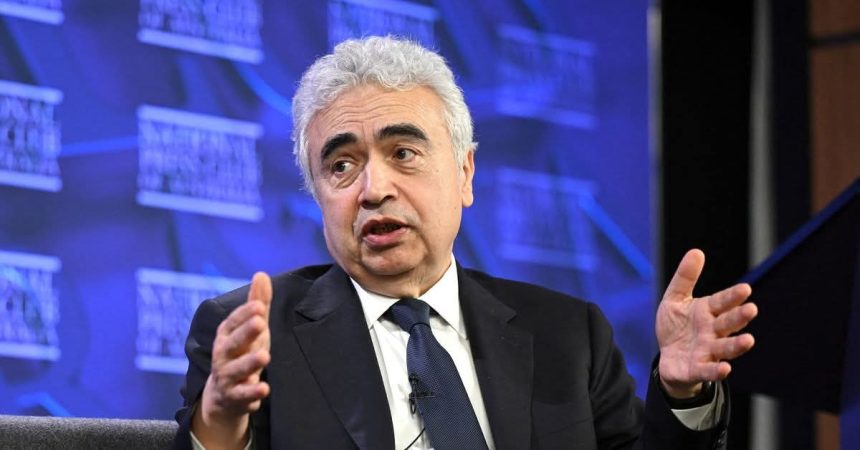
The International Energy Agency is consulting with governments across Asia and Europe on the potential release of additional strategic oil reserves to ease the ongoing energy crunch caused by the war in Iran, Executive Director Fatih Birol said on Monday.
Birol, speaking at the National Press Club in Canberra, noted that while the IEA and its member nations had already released a record 400 million barrels of oil from strategic reserves – representing roughly 20% of total stocks — further drawdowns could be made if conditions require. “A stock release will help to comfort the markets, but this is not the solution. It will only help to reduce the pain in the economy,” he said.
Asia Pacific is at the forefront of the crisis due to its heavy reliance on oil and critical products, including fertilizer and helium, transiting the Strait of Hormuz. Birol emphasized that the most critical solution to the disruption is reopening the strait, which currently handles about 20% of the world’s oil supply.
The ongoing conflict has removed an estimated 11 million barrels of oil per day from global markets, surpassing the combined impact of the 1970s oil shocks. Birol described the situation as “very severe” and stressed that decision-makers around the world had underestimated the depth of the problem.
In addition to potential stock releases, the IEA is advising countries on energy-saving measures such as lowering speed limits and expanding work-from-home policies, which were previously effective in reducing consumption across Europe. Birol also confirmed that Australia’s 30-day diesel reserve remains “a solid number,” despite being lower than standard IEA guidelines.
Birol will continue his world tour with visits to Japan and the Group of Seven meetings later this week to discuss coordinated responses to the escalating oil crisis.
The situation underscores the global economic stakes as disruptions in energy supply push oil prices above $110 per barrel, stoking inflation concerns and raising the risk of further market instability.