RismadarVoice Reporters, March 11, 2026
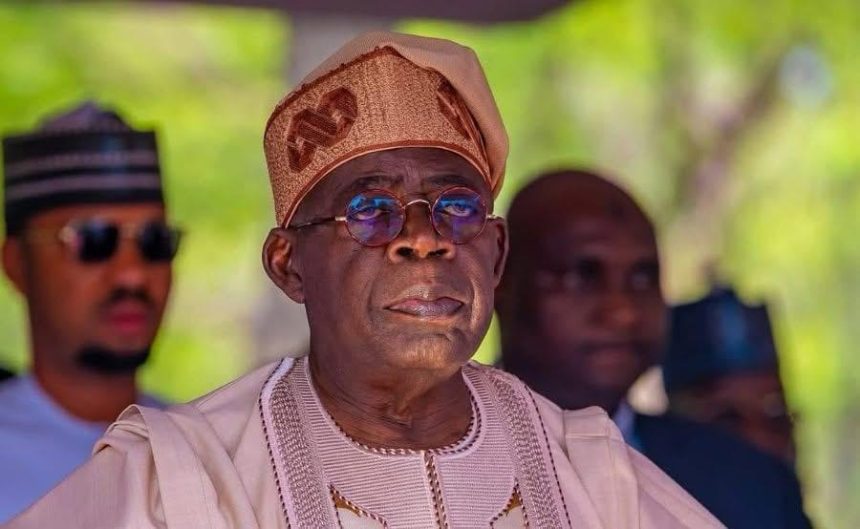
India and some other countries have reportedly declined to accept some of President Bola Ahmed Tinubu’s recently nominated ambassadors, citing diplomatic policies that discourage receiving envoys from administrations with less than two years remaining in office.
According to sources within the Presidency and the foreign service, India is among the countries reluctant to grant agrément to some of the nominees.
Agrément is the formal approval required from a host country before an ambassador-designate can assume duty.
Reports indicate that career diplomat Ambassador Muhammad Dahiru, who was posted to India, may face difficulties securing approval due to the country’s policy against accepting ambassadors from governments nearing the end of their tenure.
Officials familiar with the matter said New Delhi has already signaled reluctance to approve the appointment, noting that the policy is not necessarily directed at the nominee but linked to concerns about the remaining time of the administration that nominated him.
One Presidency source explained that some countries may consider the Tinubu administration as approaching the latter part of its tenure and may be hesitant to accept ambassadors who could be recalled if there is a change of government after the next election.
A senior foreign service official confirmed that India maintains such a policy but expressed hope that Nigeria’s diplomatic relations with the country could help secure an exception.
The official added that while India’s policy is clear, other countries may also adopt similar conventions depending on their diplomatic practices.

President Tinubu had on March 6, 2026, approved the posting of 65 ambassadors-designate and high commissioners to various countries and international organizations, including the United Nations.
Some of the nominees include former Aviation Minister Femi Fani-Kayode for Germany, presidential aide Reno Omokri for Mexico, former Minister Lt. Gen. Abdulrahman Dambazzau for China, and Senator Jimoh Ibrahim as Nigeria’s Permanent Representative to the United Nations.
However, the Ministry of Foreign Affairs has so far secured agrément from only two countries—the United Kingdom for High Commissioner-designate Aminu Dalhatu and France for Ambassador Ayodele Oke, while the status of the remaining nominees remain uncertain.
Meanwhile, officials disclosed that funds have been set aside for the mandatory induction training for the ambassadors-designate, although the timeline for the programme has yet to be confirmed.

Nigeria’s next presidential election is scheduled for January 16, 2027, while President Tinubu’s current tenure is expected to end in May 2027.